Should you still self-host OpenClaw after recent security disclosures?
Problem statement: in the last week, security reports and community threads amplified one question from founders, engineers, and operators: “Is self-hosted OpenClaw still safe for production workflows?” The short answer is yes—if your security and operations posture is mature. The longer answer is this guide.
- Security reporting around "ClawJacked" patch cycle (released 2026-02-26) raised adoption-risk questions.
- Hacker News discussion (item #47217812) shows skepticism around practical value vs operational complexity.
- Community intent shifted from "how to install" to "how to run safely without becoming my own SOC team."
The real framing mistake teams make
Most debates are framed as “self-hosted vs managed.” That framing is too shallow. The real decision is: Do we have the operational discipline to run a high-privilege agent platform safely? OpenClaw can touch files, tools, messaging channels, and automation pipelines. That is power. Power requires controls. If you treat it like a toy, incidents become inevitable.
What changed in user intent this week
Earlier intent was mostly setup-centric: API keys, channels, deployment scripts. Fresh intent is risk-centric: browser-origin trust, local gateway exposure, malicious skills, and governance of agent permissions. This is healthy maturity. Teams are moving from excitement to responsible operation.
7-layer hardening checklist for self-hosted OpenClaw
Layer 1: Patch discipline
- Track OpenClaw release notes weekly.
- Apply security patches quickly with a controlled canary process.
- Keep rollback path ready if non-security regressions appear.
Layer 2: Identity and permission boundaries
- Run OpenClaw with non-privileged accounts whenever possible.
- Minimize accessible secrets and rotate tokens frequently.
- Avoid broad “allow all” policies in messaging/group channels.
Layer 3: Network and localhost trust controls
- Do not assume localhost traffic is automatically safe.
- Restrict gateway exposure and monitor connection attempts.
- Avoid unnecessary browser/runtime pathways in production.
Layer 4: Plugin and skill supply-chain hygiene
- Use explicit allowlists for trusted plugins.
- Review suspicious patterns before enabling new skills.
- Separate test environment from production runtime.
Layer 5: Incident readiness
- Define incident classes (auth failure, stale lock, browser tool outage, etc.).
- Maintain runbooks and alert thresholds.
- Practice recovery drills, not only “install drills.”
Layer 6: Observability and auditability
- Centralize key logs and keep retention for postmortems.
- Track security-relevant events: new device registrations, plugin loads, privilege changes.
- Set alerts for unusual spikes in failed auth or tool errors.
Layer 7: Governance and business alignment
- Define who can change runtime configs.
- Document acceptable risk and recovery objectives.
- Review monthly whether hosting choice still matches team stage.
Actionable decision framework: self-host vs managed
Use this three-question filter:
- Do we have owner capacity? If no one owns updates, security debt accumulates fast.
- Can we detect incidents within minutes? If not, blast radius grows before response starts.
- Is ops work crowding out product work? If yes, your hosting model may be misaligned.
Edge cases that break “we patched, so we’re safe” confidence
- Patched binary, but old service process still running.
- Security fix applied in one environment, missed in another.
- Third-party skill enabled with excessive permissions.
- Incident response docs outdated after recent version changes.
- Non-prod machines become shadow production by accident.
Verification plan after hardening
- Run controlled adversarial checks against gateway access assumptions.
- Audit plugin/skill inventory and remove anything untrusted.
- Simulate one security incident and measure time to detect/respond.
- Revalidate channel permissions and API token scope.
- Publish an internal security readiness scorecard.
Where buying intent appears in this conversation
Teams asking this question are close to purchase intent: they already value OpenClaw, but fear operational risk. If your conclusion is “we want OpenClaw value without running full-time infra/security ops,” compare options on /compare/, then review managed deployment at /openclaw-cloud-hosting/. If you remain self-hosted, start from /openclaw-setup/ and add this security checklist as a mandatory control layer.
Fix once. Stop recurring security hardening overhead.
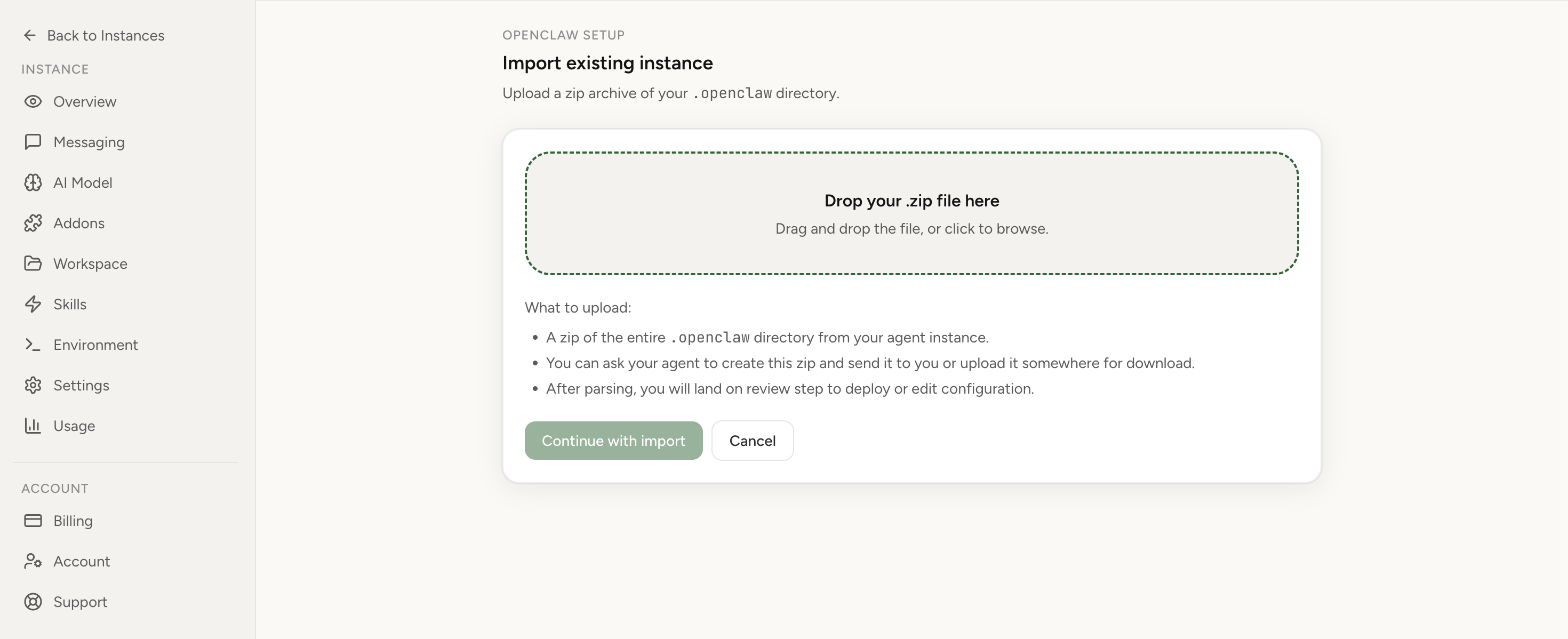
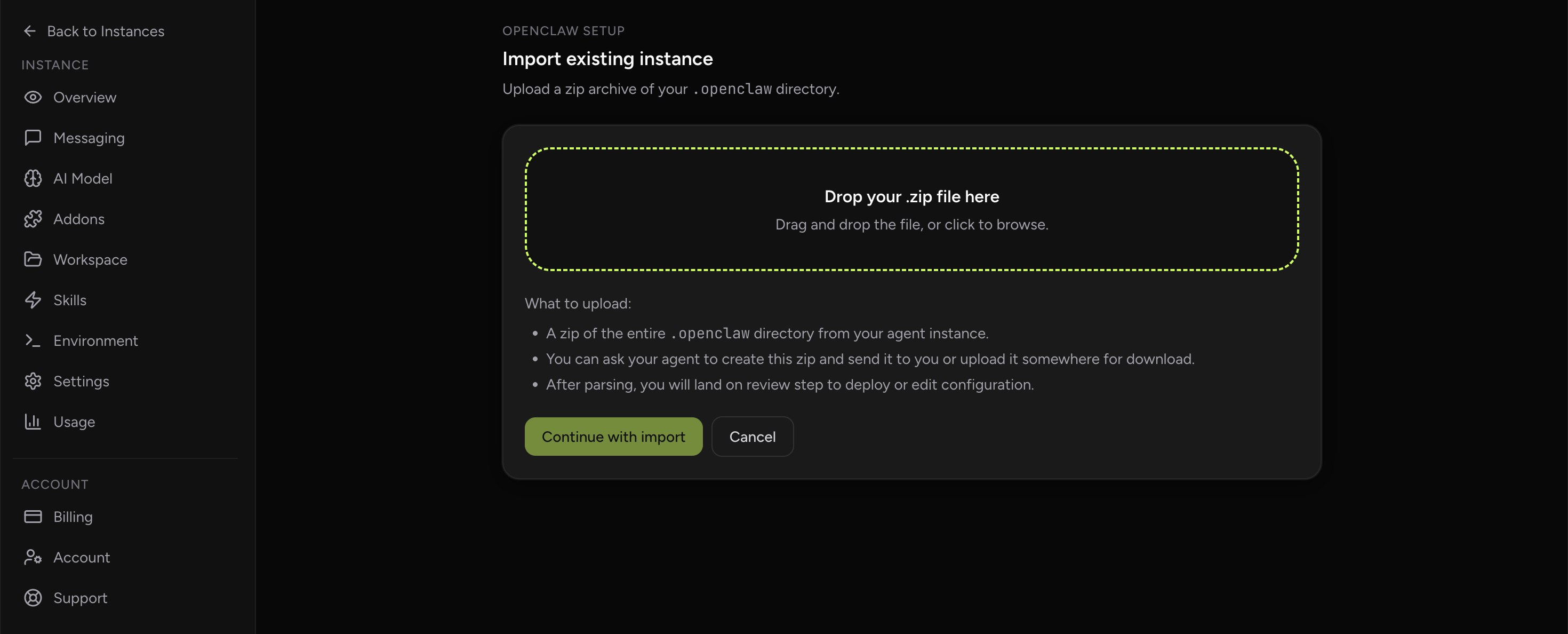
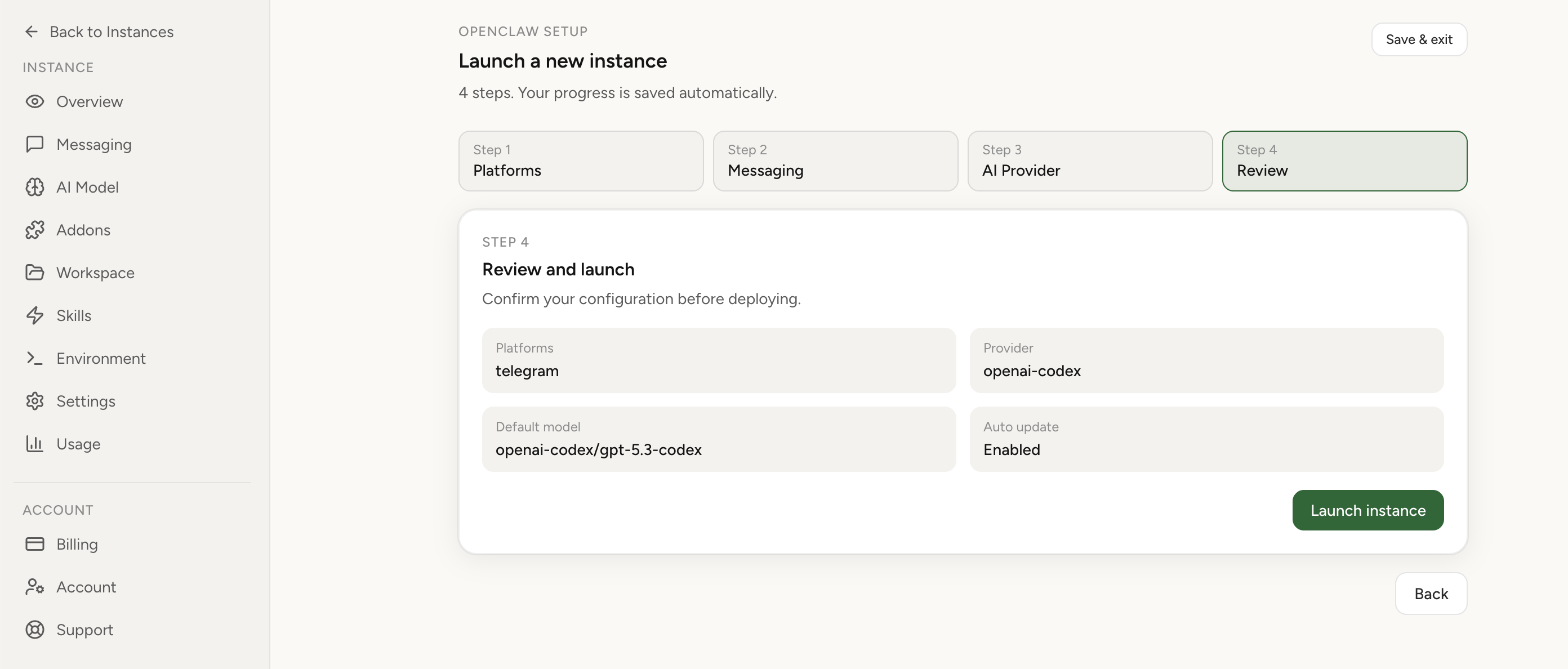
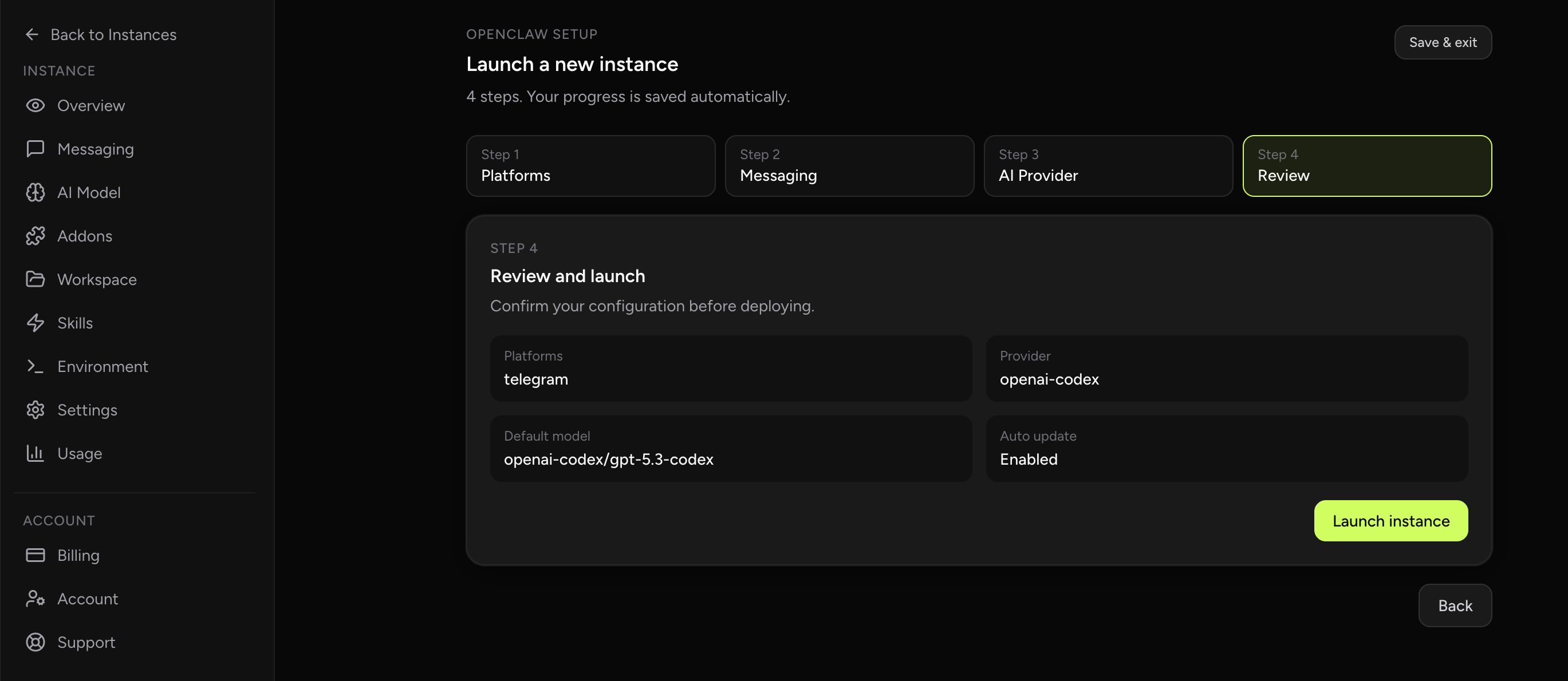
If this keeps coming back, you can move your existing setup to managed OpenClaw cloud hosting instead of rebuilding the same stack. Import your current instance, keep your context, and move onto a runtime with lower ops overhead.
- Import flow in ~1 minute
- Keep your current instance context
- Run with managed security and reliability defaults
If you would rather compare options first, review OpenClaw cloud hosting or see the best OpenClaw hosting options before deciding.
Common mistakes in community conversations
- Treating all disclosures as evidence that self-hosting is impossible.
- Treating one patch as proof that security work is complete.
- Comparing hosting models only on infra price, not incident cost.
- Ignoring team maturity and operator availability.
- Copying social-media setup snippets directly into production.
Deep-dive: practical hardening implementation plan
A checklist is useful, but execution is what reduces risk. Here is a concrete 30-day implementation model that works for small engineering teams without a dedicated security department.
Week 1: visibility and patch certainty
- Inventory every OpenClaw instance, including developer laptops and test servers.
- Record exact versions and patch status in one shared sheet or dashboard.
- Define patch SLA (for example: critical within 24h, high within 72h).
- Run one canary update process and document rollback steps.
At the end of week 1, you should know exactly where you are exposed and how quickly you can reduce exposure. Most teams skip this and assume they are patched because one machine is patched.
Week 2: identity and channel containment
- Audit bot/channel policies and remove broad allow-from defaults.
- Rotate high-privilege tokens and remove unused credentials.
- Split production and experimentation identities.
- Apply least privilege to integrations (calendar, email, repositories, shell access).
This week reduces blast radius. Even if something goes wrong, limited permissions dramatically shrink damage. It is often the highest ROI security work for agent-based systems.
Week 3: runtime boundary hardening
- Review gateway exposure assumptions and localhost trust rules.
- Add monitoring for unusual local connection behavior.
- Restrict optional features not needed for current business workflows.
- Validate plugin allowlists and disable unknown/unreviewed skills.
This is where teams move from "patched" to "defensible." If you only patch but keep risky defaults and broad runtime capability, risk remains high. Hardening is configuration plus behavior controls.
Week 4: incident rehearsal and governance
- Run one tabletop exercise: simulate suspicious browser-origin activity.
- Measure time to detect, time to isolate, time to recover.
- Assign explicit runtime ownership (primary + backup).
- Publish a one-page security operating model for leadership and engineering.
A rehearsal exposes hidden assumptions before real incidents do. If no one can answer "who owns this," incident response will be slow even with good tooling.
How to evaluate social chatter without overreacting
Community chatter is useful for early signals, but noisy for decision-making. A strong process is to convert chatter into testable questions: "Is this relevant to our version?", "Do we use the affected pathway?", and "What compensating controls already exist?" This prevents both complacency and panic.
For example, when a headline says “website can hijack local agent,” you should verify: patch level, gateway exposure assumptions, device approval rules, and browser-path controls. If your environment fails one of these checks, fix it immediately. If it passes all, log evidence and continue monitoring.
Risk scoring model for founders and product teams
Use a simple 1–5 score across four dimensions:
- Exploit relevance: does your architecture use the vulnerable pathway?
- Exposure: how reachable is the affected component?
- Privilege: what can compromised agent identity actually do?
- Detection maturity: how quickly would you notice abuse?
Multiply by business impact (customer trust, revenue interruption, legal/regulatory exposure). This gives a practical risk index you can review weekly. Decisions become transparent and defensible, especially when stakeholders ask why you chose self-hosting or managed hosting at a specific stage.
Typical implementation errors
- Error: patching only production servers. Better: include all operator endpoints.
- Error: relying on one engineer's memory. Better: codify runbooks and ownership.
- Error: enabling many skills quickly for speed. Better: staged enablement with review.
- Error: no recovery drills. Better: monthly simulations with measurable targets.
- Error: debating security in abstract. Better: tie controls to concrete workflows.
What “good” looks like after hardening
In a healthy setup, you can answer these questions in under five minutes: which versions are running, who can change runtime policy, which channels are permitted, which skills are trusted, and what happens if suspicious activity is detected right now. If answers are vague, improve your operating model before scaling automation further.
FAQ
Do security disclosures mean OpenClaw is uniquely unsafe?
Not necessarily. Fast-growing platforms attract scrutiny. The key indicator is response quality: patch speed, transparency, and your own hardening discipline.
Can small teams self-host securely?
Yes, but only if they scope complexity aggressively and commit to maintenance cadence. “Set and forget” is risky.
What should we do this week, practically?
Patch, audit permissions, review plugin allowlists, run one incident drill, and decide whether reliability/security overhead still matches your team priorities.
Final takeaway: the best teams are neither blindly optimistic nor fear-driven. They run OpenClaw with explicit controls, frequent verification, and clear ownership. If you can show evidence for patch status, access policy, and incident readiness at any moment, you are operating from strength.
Security maturity is a compounding advantage. Every week you run this cycle—patch, verify, rehearse, and refine— your risk decreases and your delivery speed improves. That is the strategic win behind tactical hardening work.
Build this into your operating rhythm and review progress monthly with leadership. Security posture should be visible, measurable, and continuously improved—just like product velocity and uptime.