OpenClaw "session file locked" timeout: root cause and durable fix
Problem statement: your OpenClaw assistant suddenly stops replying, logs show
session file locked (timeout 10000ms), and the outage persists until someone manually removes
.jsonl.lock. This is one of the most expensive reliability failures because it can silently break
every model path and stay undetected for hours.
- GitHub issue #32799 (created 2026-03-03) documents stale lock behavior after process death.
- Incident impact includes repeated heartbeat misses and manual intervention, matching real production pain.
What actually fails under the hood
OpenClaw session writes are lock-protected. That is good design. The failure mode appears when the process
holding the lock dies abruptly (crash, OOM, SIGKILL) and cleanup never runs. The lock file remains,
but the owning PID is dead. New attempts keep waiting and eventually time out. From user perspective: assistant
looks online but never answers correctly.
Fast triage flow
- Capture the exact timeout log line and session path.
- Locate lock file:
sessions/<id>.jsonl.lock. - Read PID from lock file and verify if process is alive.
- If PID is dead and no active writer exists, remove stale lock.
- Replay one message and verify session write resumes.
Actionable recovery procedure
1) Freeze noisy retries
Stop automated retry storms from cron/heartbeat while you recover. High retry pressure can create secondary errors and clutter logs.
2) Validate lock ownership before deletion
Never delete lock blindly. Check that lock PID is dead and confirm no live OpenClaw process is writing to the same session file. If ownership is valid and process is alive, this is not a stale-lock incident.
3) Remove stale lock and restart minimal components
Remove only the specific stale lock, then restart the minimum required service path. Avoid full-machine reboot unless you have broader host instability.
4) Run deterministic health test
- Send 3 sequential messages to affected session.
- Trigger one scheduled task if cron is used.
- Verify no repeated lock timeout appears in logs for 15 minutes.
Root-cause diagnosis: why stale locks happen in practice
- OOM kill: process terminated by kernel before lock cleanup.
- Hard kill during deploy: orchestration sends SIGKILL instead of graceful stop.
- Host restart race: service interrupted mid-write without unlock sequence.
- Uncaught runtime crash: exception path bypasses cleanup handler.
- Disk pressure: write path stalls, operator force-kills process, leaves lock behind.
Durable prevention controls
A) Lock acquisition should validate PID liveness
The strongest preventive control is stale-lock breaking logic: if lock exists but PID is dead, remove lock automatically and continue. This exact strategy is proposed in the fresh issue and should be part of your hardening checklist.
B) Add graceful shutdown window
Ensure process manager sends graceful signal first and waits before hard kill. Most lock leaks happen when shutdown policies are too aggressive.
C) Create lock-timeout SLO alerts
Alert when lock timeout appears more than N times in M minutes. Waiting for user complaints is too late. Reliability teams treat this as an early signal, not a rare edge case.
D) Isolate high-risk session workloads
Long-running jobs and high-frequency heartbeats should not all share one hot session file. Split workloads to reduce lock contention and blast radius.
Edge cases and verification traps
- PID reuse risk: old PID may be reused by OS; verify process identity, not only number.
- Multiple lock files: one stale lock removed, others remain in neighboring sessions.
- Time skew: host clock issues can mislead incident timeline and postmortem.
- Read-only filesystem bursts: lock removal fails silently under storage faults.
- Nested process managers: supervisor thinks worker is alive while writer thread crashed.
Post-incident hardening checklist
- Document the exact stale-lock signature and recovery commands.
- Add watchdog that scans dead-PID lock files on startup.
- Enforce graceful stop policy in service manager.
- Set memory and restart policies to reduce abrupt kills.
- Create runbook drill for on-call responders.
How to decide: continue self-hosting or offload reliability
Stale locks are manageable if your team has mature ops discipline. But if recurring lock incidents interrupt customer conversations or lead capture flows, you’re paying hidden reliability tax. Evaluate options on /compare/. If your priority is “agent always responds,” managed runtime on /openclaw-cloud-hosting/ is often cheaper than repeated outages. For teams staying self-managed, keep the base deployment clean with /openclaw-setup/.
Practical postmortem template
Use this structure after every incident: trigger, detection delay, time to recover, manual steps required, permanent fixes applied, and next verification date. Include one concrete metric, for example “lock timeout alerts reduced from 14/day to 0/day after PID-liveness check rollout.” Without metrics, improvements feel real but are hard to trust.
Common mistakes
- Deleting every lock file in bulk without ownership validation.
- Restarting all services first and losing forensic evidence.
- Treating stale lock as one-off instead of structural reliability bug.
- Skipping alerting because “we can fix it manually.”
- Not tracking mean time to recovery across incidents.
Deep operational guide: from single incident to reliable system
Most teams solve stale locks once and assume they are done. Then the same outage returns during a busy day. The difference between “quick fix” and “reliability” is operational design. Treat stale-lock incidents like any other availability event: define ownership, establish objective detection, and automate safe remediation.
Design an incident class for lock failures
Create a dedicated incident class named something like SESSION_LOCK_STALE. Give it clear entry
criteria (timeout signature + dead lock PID), expected impact (message processing blocked), and approved
response actions. This avoids ad hoc debugging where one responder edits files and another restarts services
without coordination. Good incident classes reduce confusion under pressure and speed up handoffs.
Define your observability signals
- Error-rate signal: count lock timeout errors per 5 minutes.
- Latency signal: track message-to-response delay spikes.
- Throughput signal: monitor processed sessions/minute drop.
- Health signal: watchdog check for dead-PID lock files.
- Recovery signal: time from first alert to first healthy response.
Automate safe stale-lock cleanup
Manual cleanup is acceptable in early prototypes but fragile in production. Build a tiny cleanup routine with strict safety guards: verify lock owner PID exists, validate process identity if possible, and remove only the exact stale file. Then emit an audit log event. Automatic cleanup should be idempotent and conservative: if any validation fails, it should stop and alert humans instead of guessing.
Protect against false-positive cleanup
The largest risk in lock automation is deleting a legitimate lock from an active process. Mitigate this with multiple checks: PID alive test, process command match, file timestamp sanity, and optional grace delay before removal. If your environment has rapid PID reuse, include process start-time matching where possible. The goal is precision, not aggressive cleanup speed.
Standard operating procedure for on-call
- Acknowledge alert and classify as lock incident.
- Collect minimal evidence bundle (error, lock path, owner PID, service status).
- Run safe cleanup workflow.
- Execute deterministic verification suite.
- Post update with incident duration and customer impact.
- Schedule prevention follow-up within 24 hours.
Testing strategy before production rollout
If you implement PID-liveness stale-lock breaking, test with controlled chaos: intentionally kill a process holding a lock, then verify automatic recovery and data integrity. Run this in staging first, then in canary production. Validate that no session corruption occurs, and that alerting still fires for true unresolved failures.
Capacity planning and lock contention
Some stale-lock incidents are symptoms of deeper contention. If too many workflows target the same session file, lock pressure increases and operators start force-killing processes more often. Spread high-frequency tasks across separate sessions, and avoid routing all automation into one “mega-session.” Contention-aware architecture reduces both legitimate wait time and human temptation to use destructive interventions.
Reliability economics you should actually track
Count monthly lock incidents, mean time to detect, mean time to recover, and customer-facing failure minutes. Multiply by engineer time and opportunity cost. This produces a concrete reliability budget that helps you choose between in-house operations and managed infrastructure. If lock incidents are frequent, your hidden cost may exceed hosting savings. Use numbers, not intuition.
Migration signal: when managed hosting is the rational choice
Move from self-managed to managed when lock-related incidents begin affecting revenue-critical flows, or when your team spends more time maintaining runtime than shipping product value. You can still keep technical control while offloading incident-prone infrastructure work. For many teams, this is not surrender—it is focus.
Fix once. Stop recurring stale-lock recovery incidents.
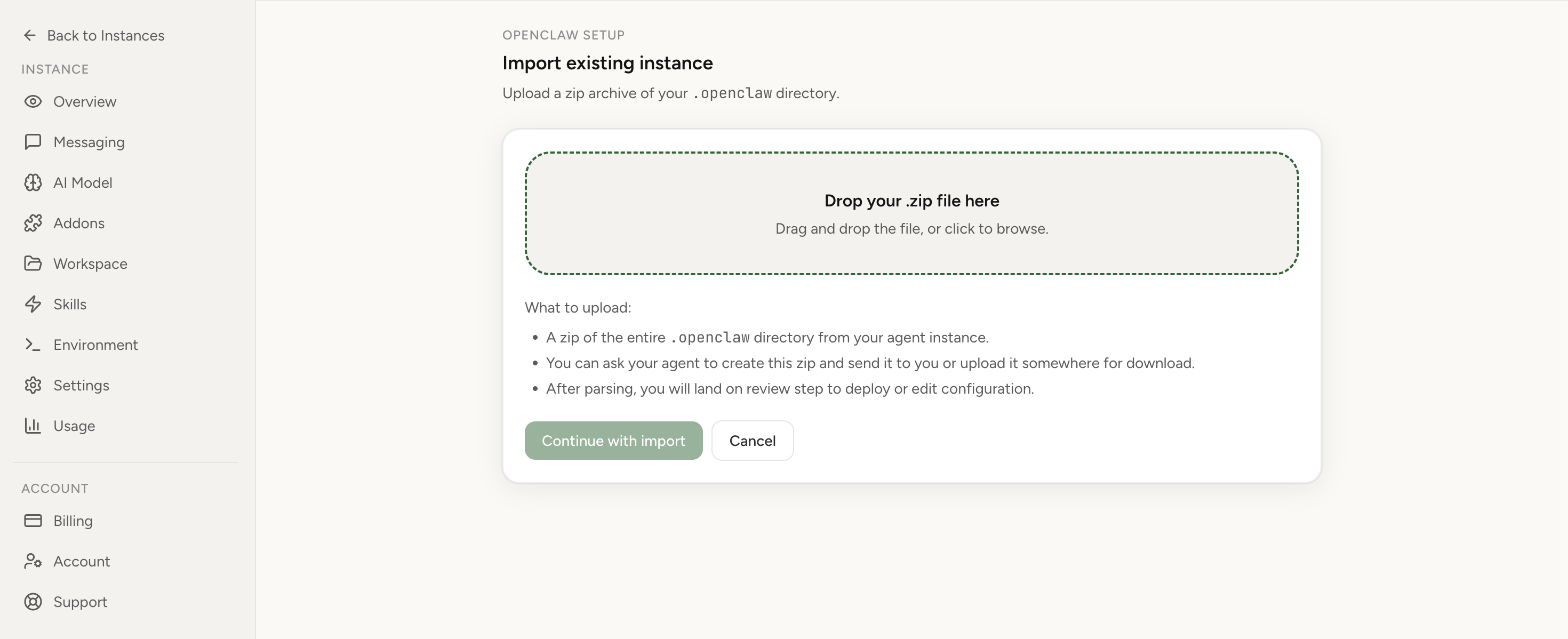
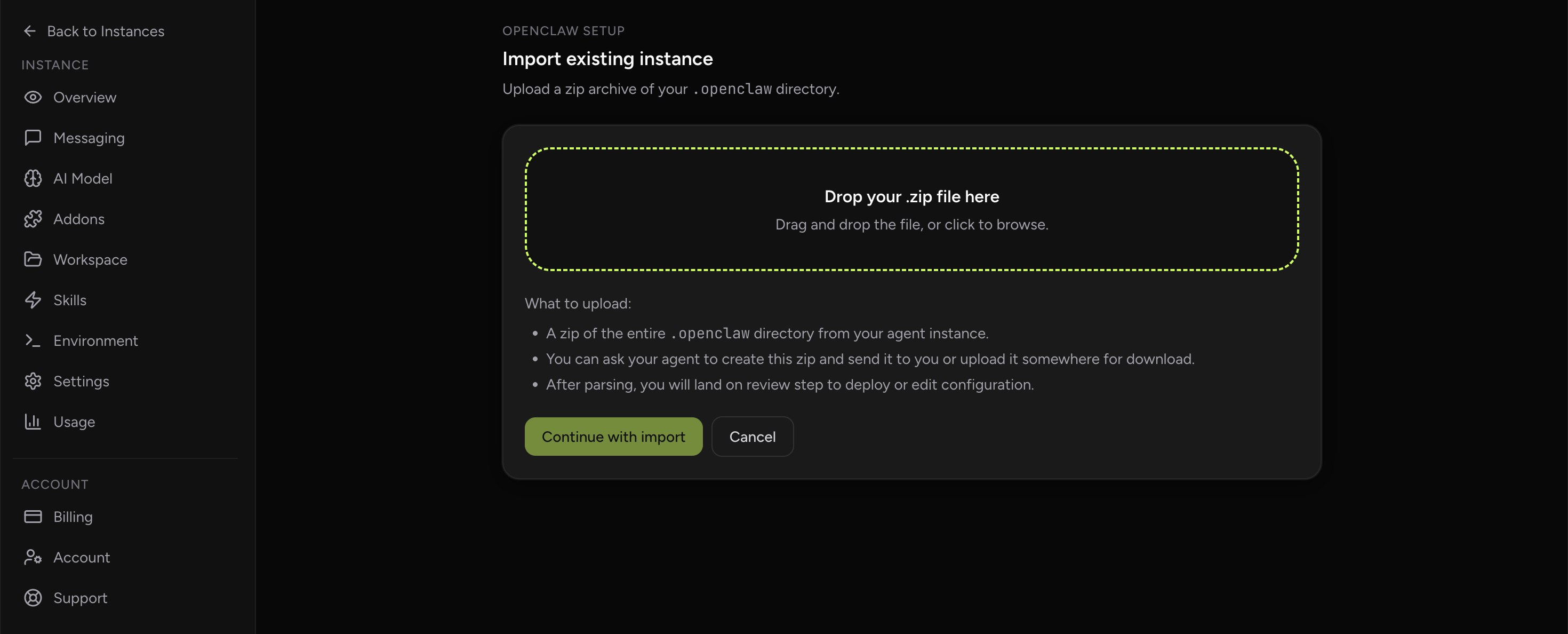
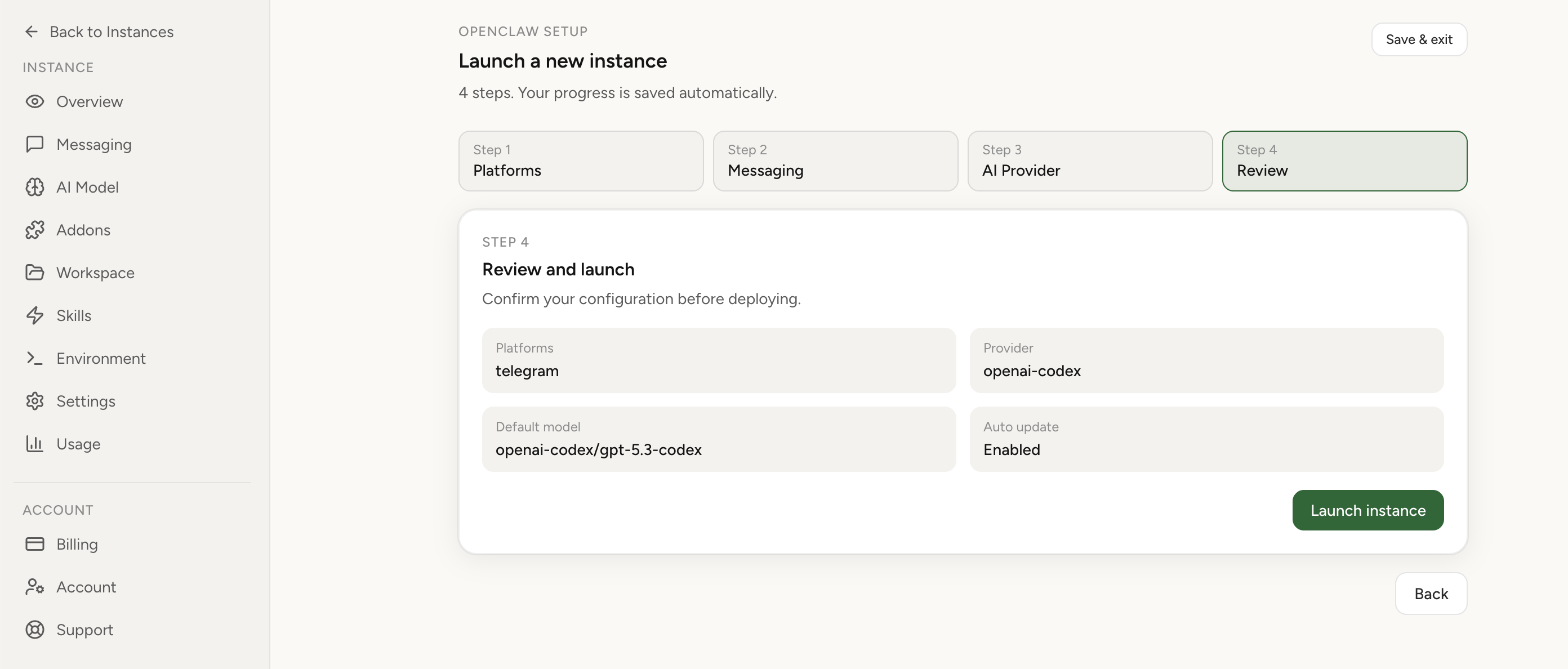
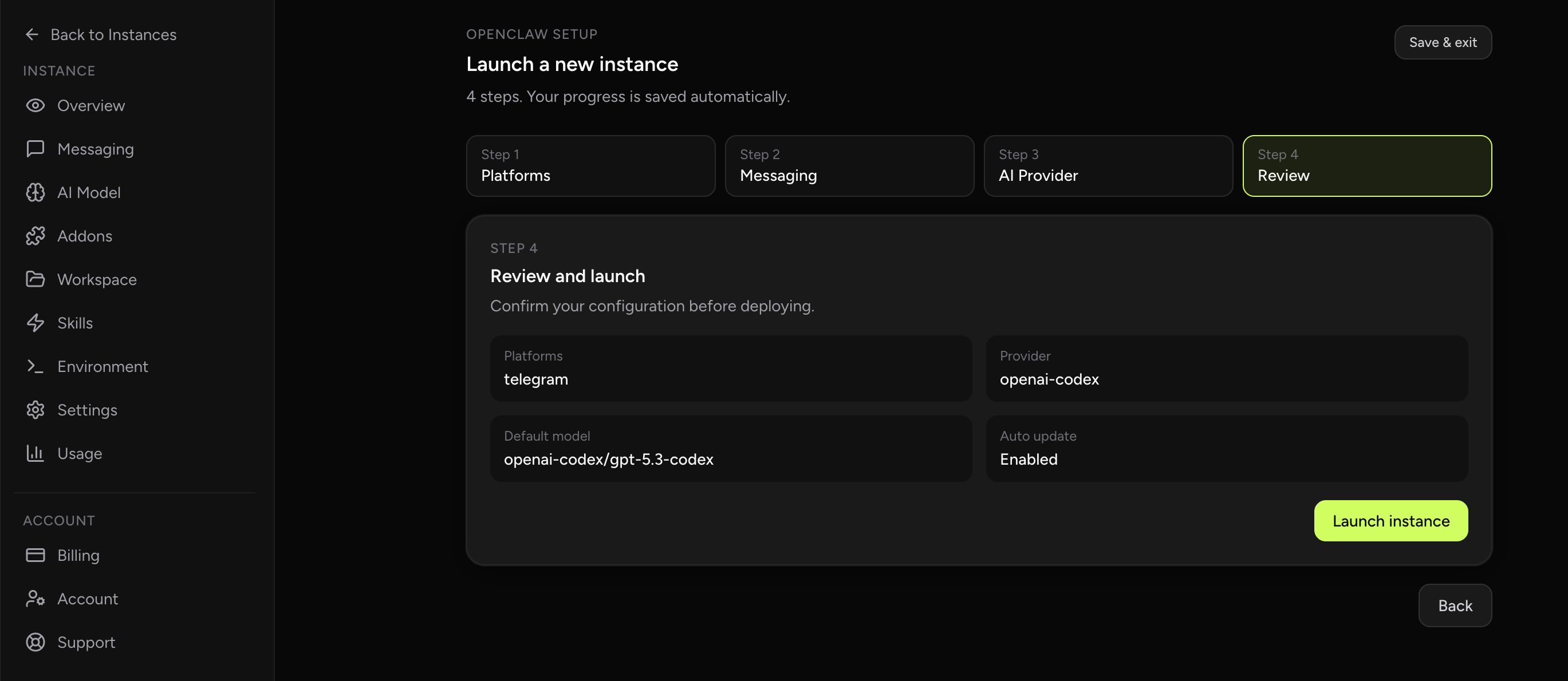
If this keeps coming back, you can move your existing setup to managed OpenClaw cloud hosting instead of rebuilding the same stack. Import your current instance, keep your context, and move onto a runtime with lower ops overhead.
- Import flow in ~1 minute
- Keep your current instance context
- Run with managed security and reliability defaults
If you would rather compare options first, review OpenClaw cloud hosting or see the best OpenClaw hosting options before deciding.
FAQ
Could this be caused by model provider outage?
Provider outages can cause other failures, but stale-lock timeout is local session-write path behavior. Diagnose locally first.
Should we increase lock timeout beyond 10000ms?
Increasing timeout may reduce noise, but dead lock owner never recovers by waiting. Fix stale-lock detection.
How often should lock sweep run?
At startup and periodically in background for high-volume systems. Keep it conservative and ownership-aware.
If you standardize this runbook now, stale-lock incidents become predictable maintenance events instead of surprise outages. Predictability is the core of trust in any assistant workflow.
Consistent process beats lucky recovery every single time in production systems.