OpenClaw web_fetch SSRF blocking FakeIP: complete proxy fix guide
Problem statement: you use a FakeIP transparent proxy for network routing or privacy, and OpenClaw's web_fetch tool blocks all requests with SSRF (Server-Side Request Forgery) protection errors. The agent cannot fetch web pages, read documentation links, or access online resources even though your proxy works fine for everything else on the same system. This creates a frustrating gap where the browser and curl work through the proxy, but OpenClaw cannot use the network at all.
- Issue #55058 (2026-03-26): web_fetch SSRF blocks FakeIP transparent proxy setups.
- Community reports: agents fail to fetch web resources when system uses transparent proxies with private IP ranges.
- Related: previous IPv6 dual-stack issues show similar SSRF vs functionality tensions.
Why SSRF protection blocks FakeIP setups
SSRF protection is a critical security feature. It prevents malicious prompts from tricking OpenClaw into making requests to internal infrastructure like 127.0.0.1, 10.0.0.0/8, or other private address ranges. Without this protection, a bad actor could use web_fetch to probe your internal network, access cloud metadata services, or reach administrative interfaces that should never be exposed to an AI agent.
FakeIP transparent proxies work by assigning fake IP addresses from private ranges and routing them through a local resolver. This is elegant design for transparent proxying, but it collides directly with SSRF protection. When OpenClaw sees a request going to a FakeIP address, the SSRF filter sees a private address and blocks it as potentially dangerous—even though you know it is actually your legitimate proxy setup.
The conflict is real: SSRF protection is correctly doing its job, and your proxy is correctly doing its job. They just have incompatible assumptions about what private IP addresses mean.
How to diagnose FakeIP SSRF blocking
- Test the URL directly: try fetching the same URL with curl or your browser through the proxy to confirm it works.
- Check gateway logs: look for SSRF-related error messages or blocked request logs when web_fetch fails.
- Inspect proxy configuration: verify your FakeIP setup and note which IP ranges it uses.
- Test with proxy disabled temporarily: if web_fetch works when proxy is off, you have confirmed the SSRF conflict.
- Check DNS resolution: see whether OpenClaw is resolving to FakeIP addresses directly or bypassing your proxy entirely.
Fix strategy 1: Configure SSRF allowlist for your proxy
The safest approach is to explicitly allow your FakeIP proxy address range in OpenClaw's SSRF configuration while keeping protections for all other private addresses. This maintains security for internal infrastructure while letting your legitimate proxy work.
Step-by-step allowlist configuration
- Identify the exact IP range your FakeIP proxy uses (common ranges include 198.18.0.0/15 or custom private ranges).
- Locate the SSRF protection configuration in your OpenClaw deployment (often in gateway settings or environment variables).
- Add your FakeIP range to the allowed private addresses list.
- Restart the gateway to apply configuration changes.
- Test web_fetch with a known URL to confirm the allowlist works.
This approach preserves most SSRF protection while carving out an exception for your trusted proxy. It is the recommended path for self-hosted deployments where you control the configuration.
Fix strategy 2: Use the Web Fetch addon with proper base URL
Hosted OpenClaw setups offer a Web Fetch addon that can route requests through external services like Firecrawl. This bypasses local proxy issues entirely by sending web fetch requests to an external API that handles the actual HTTP requests. If you are using FakeIP for privacy or bypassing regional restrictions, the addon approach may actually be cleaner than fighting SSRF rules.
Web Fetch addon advantages
- No local network configuration required—works through external API.
- Built-in JavaScript rendering for modern websites.
- Optional base URL override for custom proxy endpoints.
- Managed reliability and rate limiting at the platform level.
For teams already on managed hosting, enabling the Web Fetch addon is often faster than debugging local proxy configuration. The addon handles the complexity of web fetching while your OpenClaw instance focuses on agent logic.
Fix strategy 3: Route OpenClaw around the transparent proxy
If you only need FakeIP for specific applications, you can configure OpenClaw to bypass the transparent proxy entirely. This gives you direct internet access for the agent while keeping your proxy for other tools. The approach depends on your proxy software:
- Clash/Clash Meta: add a rule to bypass OpenClaw processes or specific domains from proxy routing.
- V2Ray/Xray: create a routing rule that sends direct traffic for OpenClaw's user or process ID.
- dnsmasq with FakeIP: configure exceptions for OpenClaw's DNS queries to resolve normally instead of through FakeIP.
- Network namespaces: run OpenClaw in a separate network namespace that does not use the proxy.
This keeps FakeIP working for everything else while letting OpenClaw use the network directly. The tradeoff is more complex proxy configuration and potential inconsistency if your agent needs to access resources that require the proxy.
Edge cases that can mislead your debugging
Not every web fetch failure through a proxy is caused by SSRF blocking. Watch for these edge cases:
- DNS resolution failure: FakeIP DNS may not be resolving properly for the OpenClaw process specifically.
- TLS certificate issues: some transparent proxies perform TLS inspection, which can break if OpenClaw does not trust the proxy's certificate.
- Proxy authentication: your proxy may require authentication that OpenClaw is not configured to provide.
- IPv6 vs IPv4: dual-stack setups can have different behavior depending on which protocol the request uses.
- Timeout settings: proxy routing may add latency that causes web_fetch to timeout before the request completes.
How to verify the fix is working
- Web fetch requests to public URLs complete successfully through your proxy or bypass.
- Gateway logs show successful fetches without SSRF block messages.
- Different domains and URL patterns all work, not just one specific site.
- The agent can follow links and fetch multiple pages in a single workflow without failures.
- SSRF protection still blocks truly internal addresses if you test them directly.
Common mistakes that make this worse
- Disabling SSRF protection entirely to make one proxy work, opening serious security risks.
- Allowing all private IP ranges instead of only the specific range your FakeIP proxy uses.
- Forgetting to restart the gateway after configuration changes, then thinking the fix did not work.
- Testing only with URLs that happen to work through another path, missing that the proxy is still broken.
- Mixing multiple proxy solutions (allowlist + bypass + addon) creating hard-to-diagnose conflicts.
Security considerations when modifying SSRF rules
SSRF protection exists for a reason. Before adding exceptions, understand what you are allowing. FakeIP addresses are usually safe because they route through your controlled proxy. But if your proxy can be manipulated or if you accidentally allow broad private ranges, you may create paths for malicious prompts to reach internal services. Be specific with allowlists, test with both legitimate and probe-style requests, and monitor logs for suspicious fetch patterns after making changes.
When to consider managed hosting
Network and proxy configuration is a common source of OpenClaw operational pain. If you find yourself repeatedly debugging network issues instead of using your agents, managed hosting may reduce the burden. Hosted environments handle web fetching through external services, avoiding local proxy complexity entirely. Compare tradeoffs at /compare/. For web fetching specifically, see how hosted environments handle network access at /openclaw-cloud-hosting/.
Fix once. Stop recurring web fetch and proxy configuration issues.
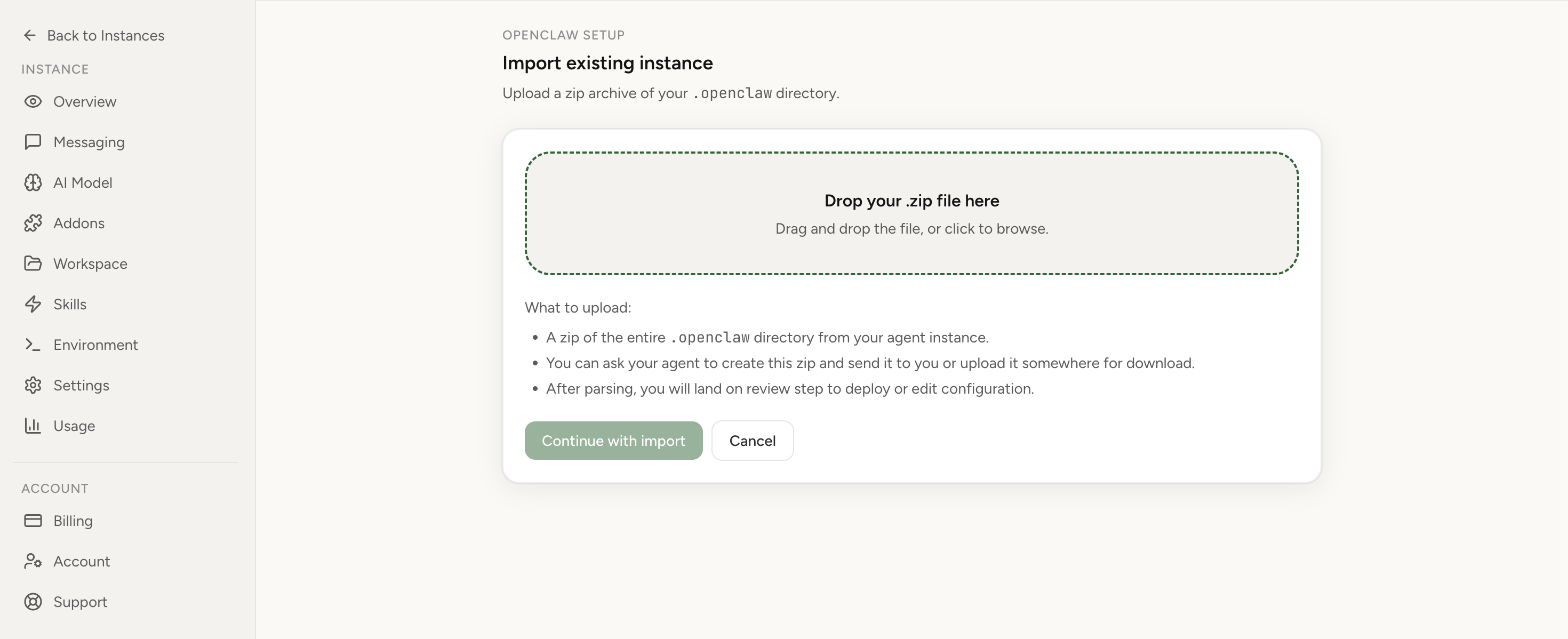
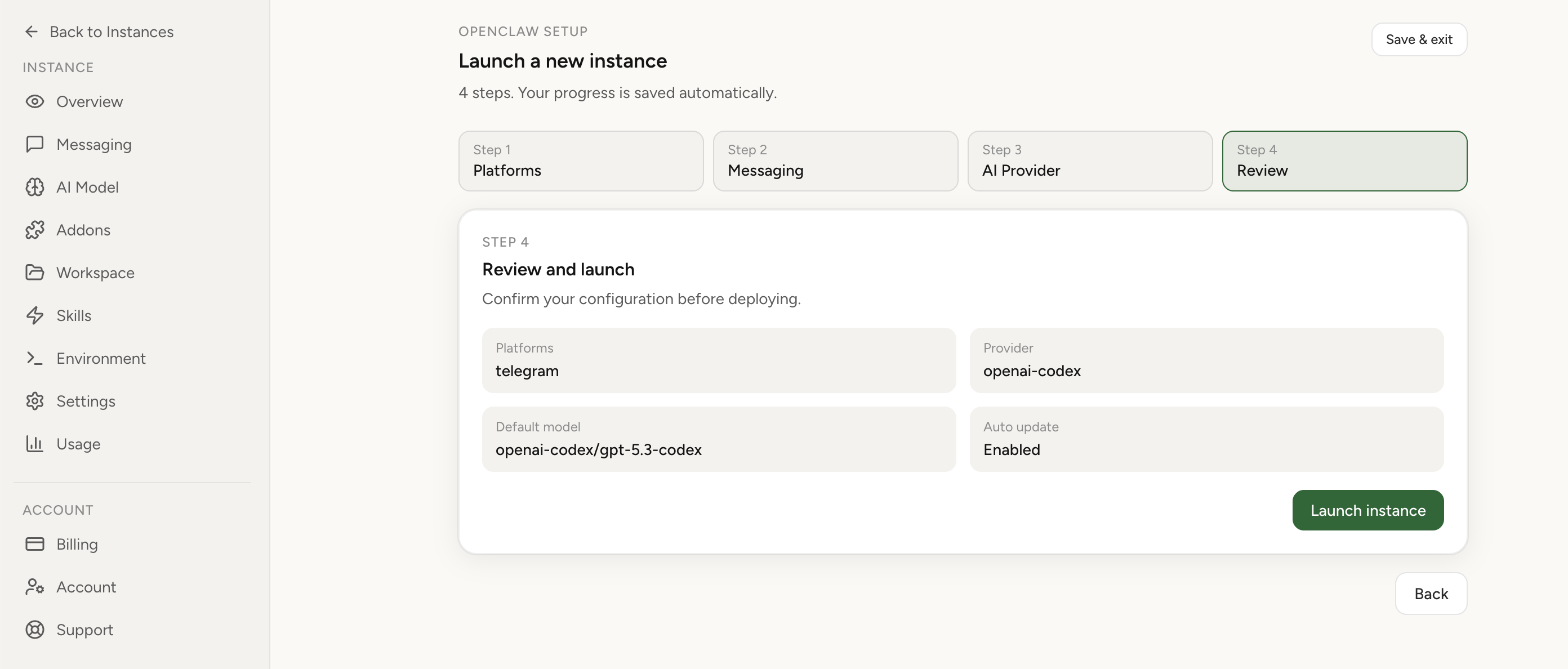
If this keeps coming back, you can move your existing setup to managed OpenClaw cloud hosting instead of rebuilding the same stack. Import your current instance, keep your context, and move onto a runtime with lower ops overhead.
- Import flow in ~1 minute
- Keep your current instance context
- Run with managed security and reliability defaults
If you would rather compare options first, review OpenClaw cloud hosting or see the best OpenClaw hosting options before deciding.
FAQ
Will allowlisting my FakeIP range break other security features?
No. SSRF allowlisting only affects which destination addresses web_fetch can reach. Other security features remain unchanged. Just be specific about which range you allow and monitor logs for unexpected fetch patterns.
Can I use both the Web Fetch addon and a local proxy?
You can, but it is usually unnecessary. The addon routes requests through an external API that already handles the fetching complexity. Using both adds latency and makes debugging harder. Choose one approach based on your needs.
What if I need FakeIP for privacy reasons, not just transparent proxying?
If privacy is the goal, the Web Fetch addon with a provider that supports your privacy requirements may be a better fit than maintaining a local FakeIP setup. Alternatively, configure OpenClaw to use a SOCKS5 or HTTP proxy explicitly instead of relying on transparent routing.
Sources
- OpenClaw issue #55058 (opened 2026-03-26) — web_fetch SSRF blocks FakeIP
- Web Fetch addon announcement — Firecrawl integration
- Related: IPv6 dual-stack fix guide — similar SSRF vs functionality issues