OpenClaw on Windows: WSL2 vs native vs Docker
Problem statement: many teams start OpenClaw on a Windows laptop, then hit daemon reliability and lifecycle friction when moving from demo to daily operations. The key decision is runtime substrate, not installer command.
- GitHub discussion #7462 updated 2026-02-28 asks for real-world WSL2 vs native guidance.
- Q&A threads continue to cluster around install retries and long-running service behavior on Windows hosts.
Decision framework
| Option | Best for | Main risk |
|---|---|---|
| Native Windows | Fast experiments, local one-off demos | Service lifecycle and background process consistency |
| WSL2 (Ubuntu) | Daily development and stable daemon behavior | Extra setup step for teams unfamiliar with Linux |
| Docker Desktop | Repeatable environments across team machines | Higher complexity for debugging and host integration |
Actionable setup path for lowest friction
- For production-like testing on Windows, start with WSL2 Ubuntu first.
- Keep OpenClaw runtime and credentials inside WSL filesystem, not mixed host paths.
- Validate channel connectivity and cron behavior before adding advanced skills.
- Only adopt Docker if your team already operates container-first workflows.
Where teams usually decide to switch
If your team does not want to own runtime reliability at all, it is usually cheaper to move straight to managed operations. Start with OpenClaw setup, compare options on the self-hosting comparison page, then deploy on OpenClaw cloud hosting.
FAQ
Can I start native and migrate later?
Yes. Use native for quick validation, but document env assumptions early so migration to WSL2 or managed hosting is clean.
Does this apply to enterprise pilots?
Yes. Enterprises usually need reproducibility and auditability, which favors WSL2/Linux-like workflows or managed hosting from day one.
Sources
Fix once. Stop recurring Windows setup instability.
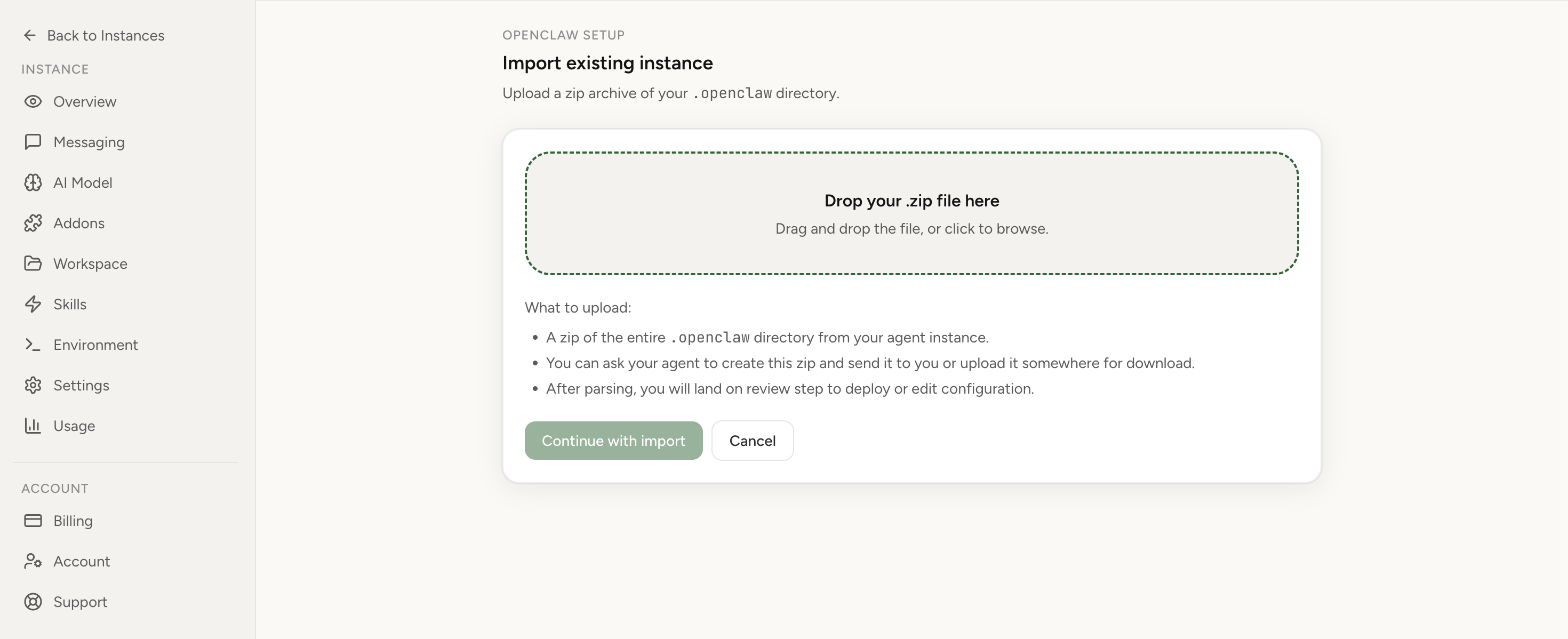
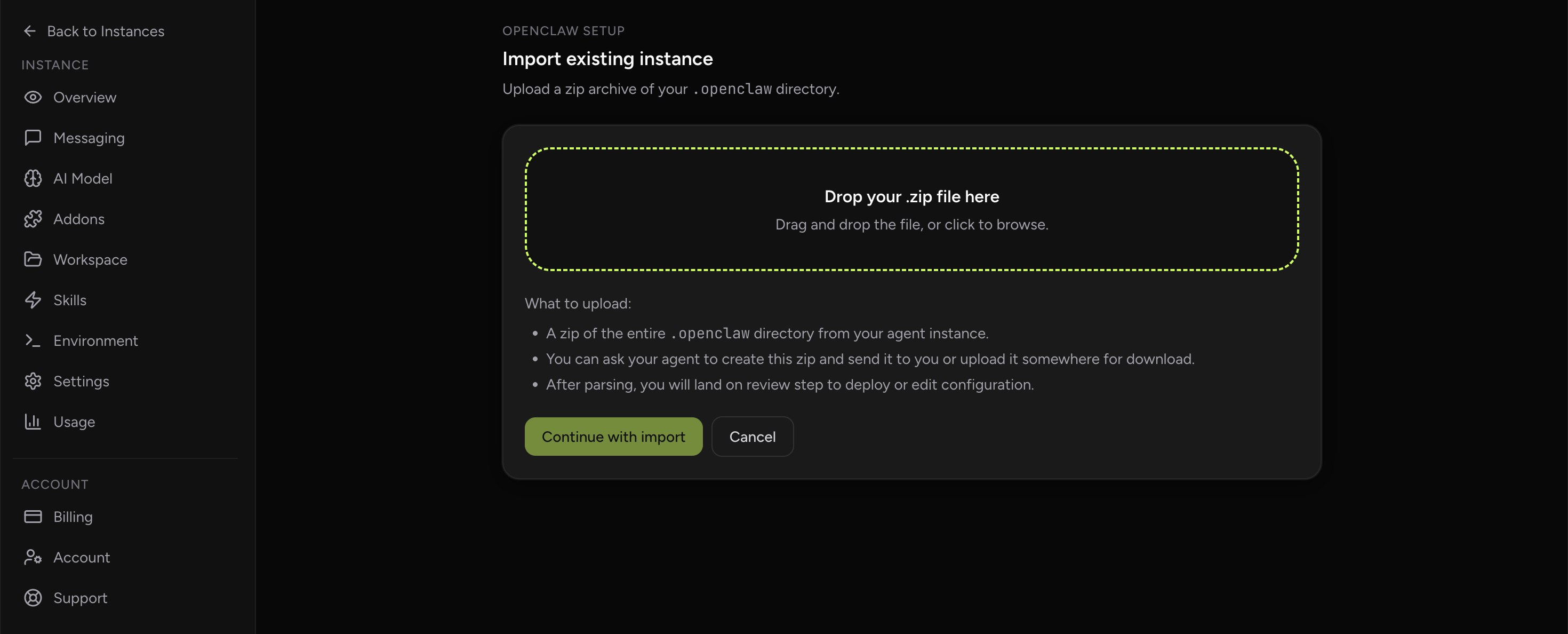
If this keeps coming back, you can move your existing setup to managed OpenClaw cloud hosting instead of rebuilding the same stack. Import your current instance, keep your context, and move onto a runtime with lower ops overhead.
- Import flow in ~1 minute
- Keep your current instance context
- Run with managed security and reliability defaults
If you would rather compare options first, review OpenClaw cloud hosting or see the best OpenClaw hosting options before deciding.