OpenClaw 2026.3.7 regressions: complete recovery runbook for production teams
Problem statement: your OpenClaw stack was stable yesterday, then an upgrade introduced failures like broken Control UI views, plain-text error pages, token usage reporting gaps, leaking raw tool error output into chat, or approval flows that stop returning results to sessions. This guide gives you a practical, production-first response: how to diagnose the blast radius, recover quickly, prevent repeat incidents, and choose the right long-term operating model.
- GitHub issue #39649: invalid device signature in Control UI after upgrade.
- GitHub issue #39648: approval results not propagating back to sessions.
- GitHub issue #39645: subagent sessions missing in Sessions view.
- GitHub issue #39626: raw tool-call format exposed in chat output.
- GitHub issue #39621: dashboard returning plain-text "Not Found" after upgrade.
Why upgrade regressions are expensive even when the app is still "up"
The dangerous part of partial regressions is that they look survivable at first. The process is running, health checks can pass, and some workflows keep working. But user trust collapses when outputs leak internal error payloads, approvals silently fail, or dashboard routes break. That creates hidden costs: support load rises, teams stop automations, and operators start emergency changes without a stable diagnostic baseline.
If you treat this as "just one bug," incidents repeat. If you treat it as a release-safety gap, you can fix the underlying process and prevent the same outage pattern next week.
What usually breaks first after a bad upgrade
- Control UI contract mismatches: frontend expects one schema, backend now returns another.
- Session transport regressions: events are produced but not delivered to the right session context.
- Error-handling regressions: raw internal messages leak to users instead of sanitized operator-safe responses.
- Version-skew behavior: gateway restarts, but stale workers or old clients continue with incompatible assumptions.
- Auth/signature drift: post-upgrade validation rules become stricter and reject previously valid tokens/signatures.
Recovery plan: 12 steps that minimize downtime and rework
1) Freeze non-essential changes
Pause unrelated deploys, config edits, and plugin updates. You need a stable scene to run controlled tests. Most failed recoveries happen because teams change five variables at once.
2) Define impact tiers
- Tier 1: user-visible failures (chat output corruption, login/signature failures, major route errors).
- Tier 2: operator-only degradation (metrics gaps, session listing glitches, delayed approvals).
- Tier 3: cosmetic issues that can wait.
This triage order keeps your team focused on what directly blocks users and revenue.
3) Capture one clean failing reproduction
Record exact inputs, timestamps, environment details, and logs. Do this before restarting everything. A clean repro is the difference between fixing root cause and guessing.
4) Compare current runtime with last known-good baseline
Check version, lockfiles, env overrides, and gateway config. Even one unnoticed config drift can make a valid patch look broken.
5) Choose rollback vs hotfix with explicit criteria
- Rollback if critical flows fail and root cause is not isolated within 30–45 minutes.
- Hotfix forward only if you have a reproducible bug and a low-risk change path.
- Do not split team attention across both paths without clear ownership.
6) Patch output-safety first
If raw tool output is leaking into user chats, sanitize and contain this immediately. Data leakage and trust damage scale faster than dashboard friction.
7) Validate session event delivery end-to-end
For approval flows and subagent visibility, test event emission, queue transport, session routing, and UI render separately. This isolates whether the issue is producer-side, transport-side, or presentation-side.
8) Rebuild only the broken layer
Avoid full reinstall reflexes. Rebuild or restart the failing component in isolation first to preserve evidence and reduce blast radius.
9) Run deterministic acceptance tests
- Control UI loads expected routes without plain-text fallback.
- Approval resolve roundtrip updates the target session correctly.
- No raw tool-call payloads appear in user-visible messages.
- Token usage values are populated as expected.
- One real workflow from message to completion succeeds.
10) Monitor for delayed relapse
Keep heightened observation for at least 30–60 minutes after apparent recovery. Some regressions resurface when cache expires or workers rotate.
11) Document incident deltas
Keep a short post-incident record: trigger, impact, mitigation, final fix, and prevention controls. This shortens future MTTR more than any hero debugging session.
12) Add pre-upgrade guardrails
Upgrades should run behind a repeatable checklist, not intuition. Introduce canary rollout, smoke tests, and rollback triggers before the next release.
Edge cases that break "good" recovery plans
- Partial restart trap: gateway restarted but background workers still on old assumptions.
- Route cache residue: stale frontend bundle serving old route map after backend changes.
- Hidden env precedence: shell env overrides config file during service startup.
- Transport queue lag: delayed events look like lost events.
- Mixed node clocks: timestamp-based checks fail when host clocks drift.
How to prevent the next incident before it happens
Adopt a release ring model
Start with one non-critical instance, then a small production slice, then full rollout. This converts unknown global risk into local, recoverable risk.
Define non-negotiable smoke tests
Every upgrade should prove the same critical paths: messaging flow, tool-call sanitization, Control UI route map, approval loop, and session integrity. If any fail, release does not advance.
Track reliability with simple, visible metrics
- Incident count per release
- Mean time to restore
- User-facing error rate after deployment
- Rollback frequency
Numbers remove arguments. You can decide from data, not guesswork.
Contextual CTA: move from firefighting to reliable operations
If your team keeps spending release day on emergency triage, the issue is not one patch. It is operational overhead. Compare operating models at /compare/, or launch with managed defaults at /openclaw-cloud-hosting/. If you still want full infrastructure ownership, keep your baseline hardened with /openclaw-setup/.
Fix once. Stop recurring post-upgrade regressions.
If this keeps coming back, you can move your existing setup to managed OpenClaw cloud hosting instead of rebuilding the same stack. Import your current instance, keep your context, and move onto a runtime with lower ops overhead.
- Import flow in ~1 minute
- Keep your current instance context
- Run with managed security and reliability defaults
If you would rather compare options first, review OpenClaw cloud hosting or see the best OpenClaw hosting options before deciding.
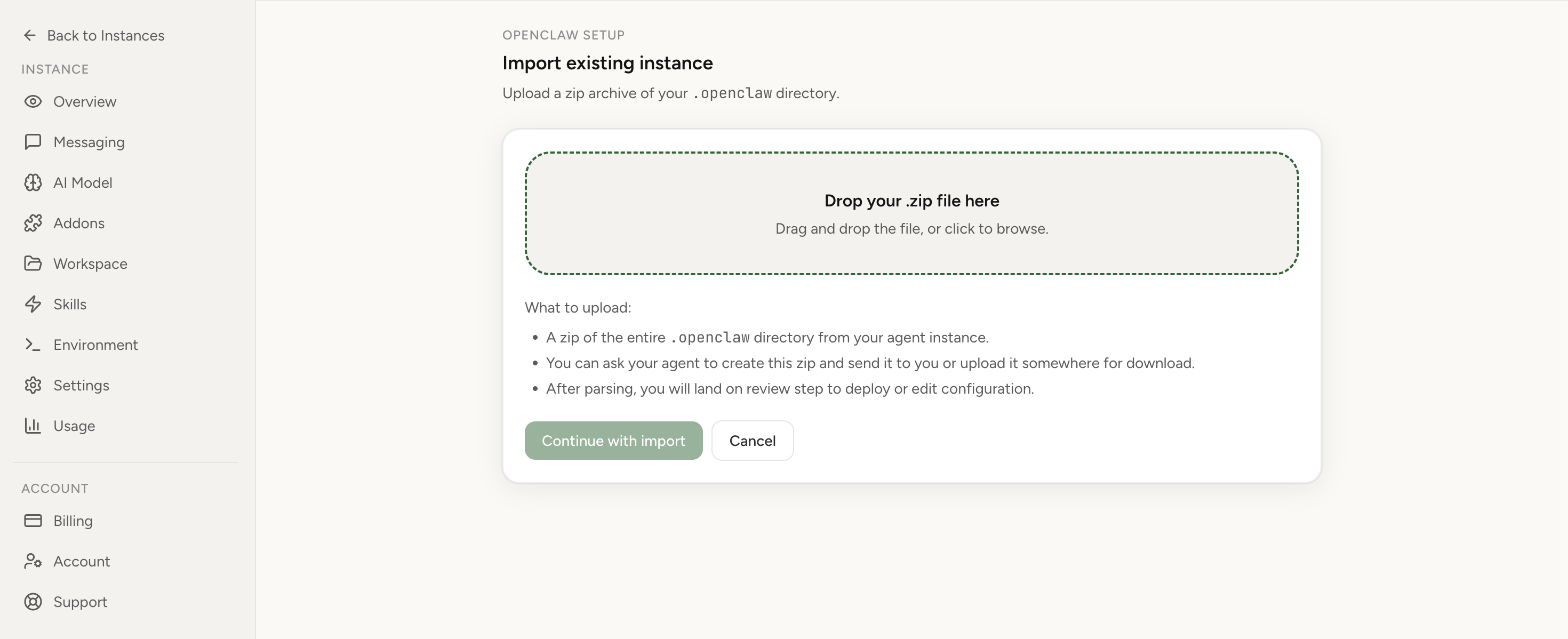
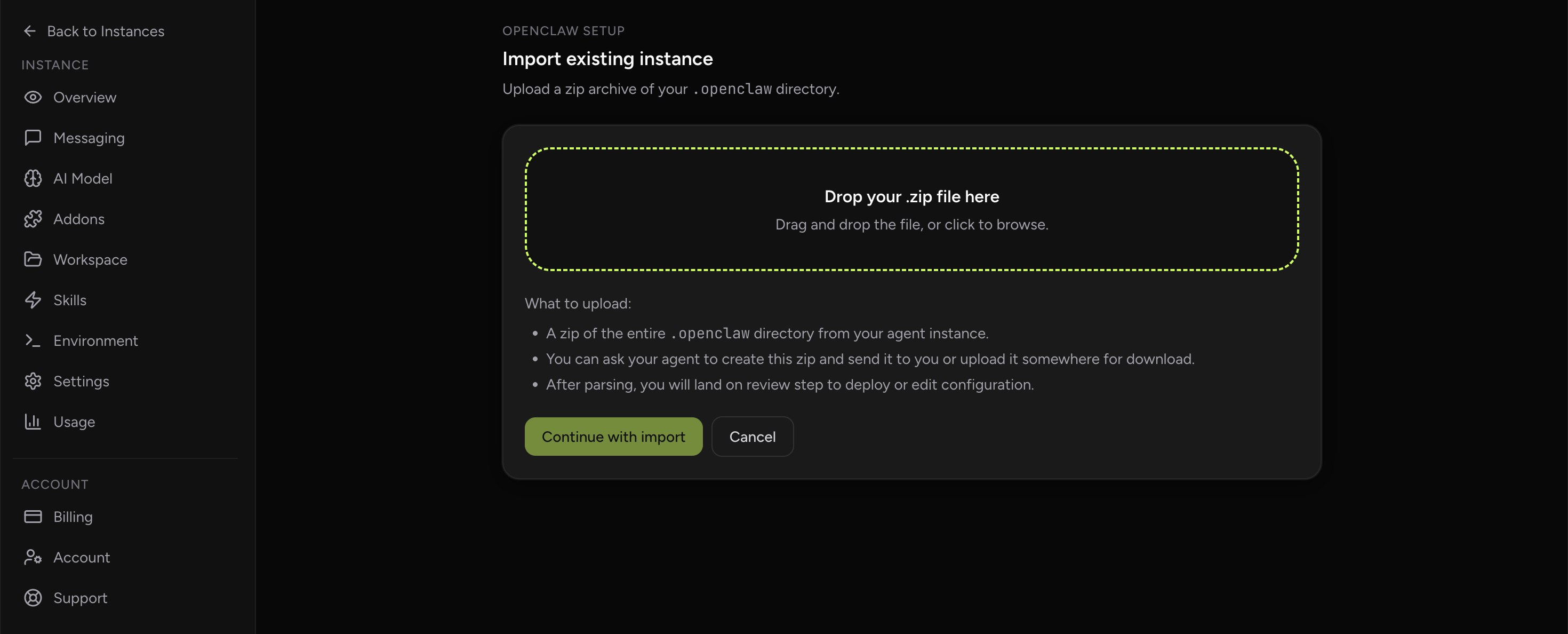
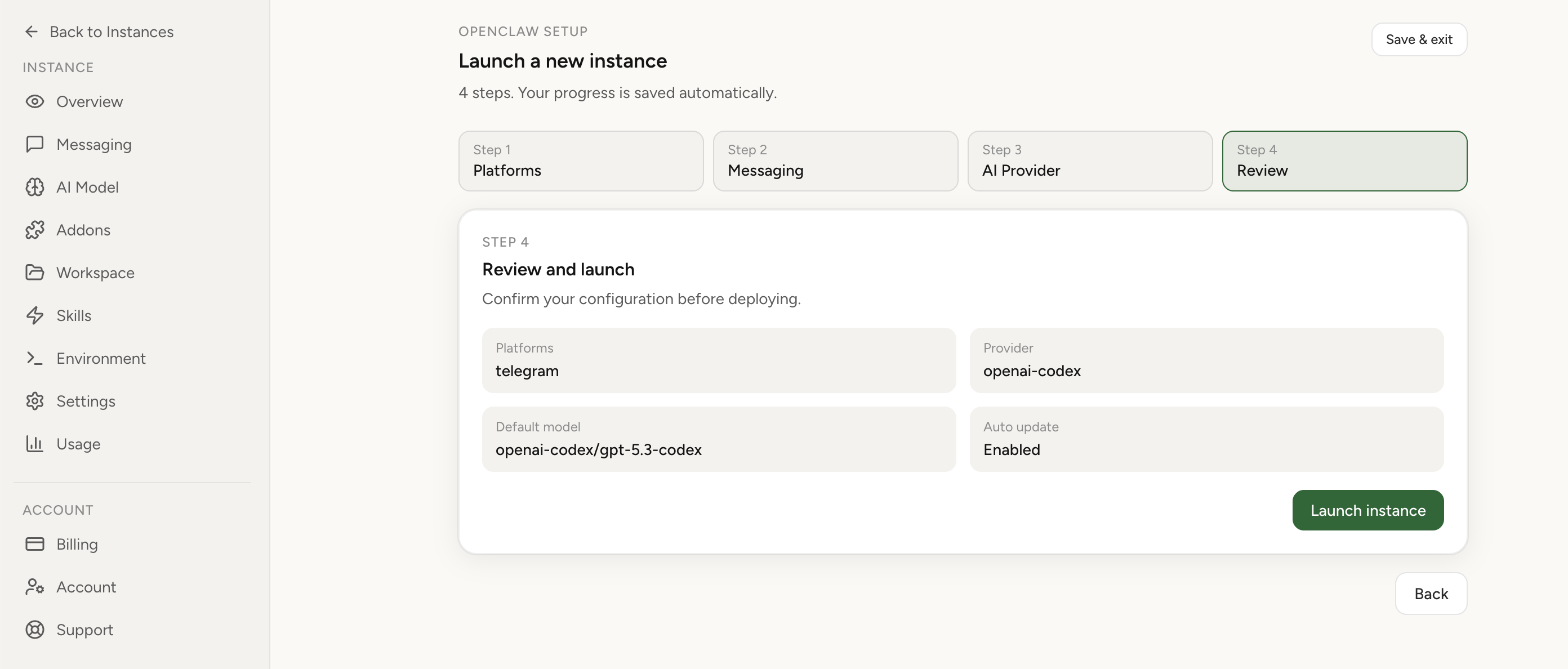
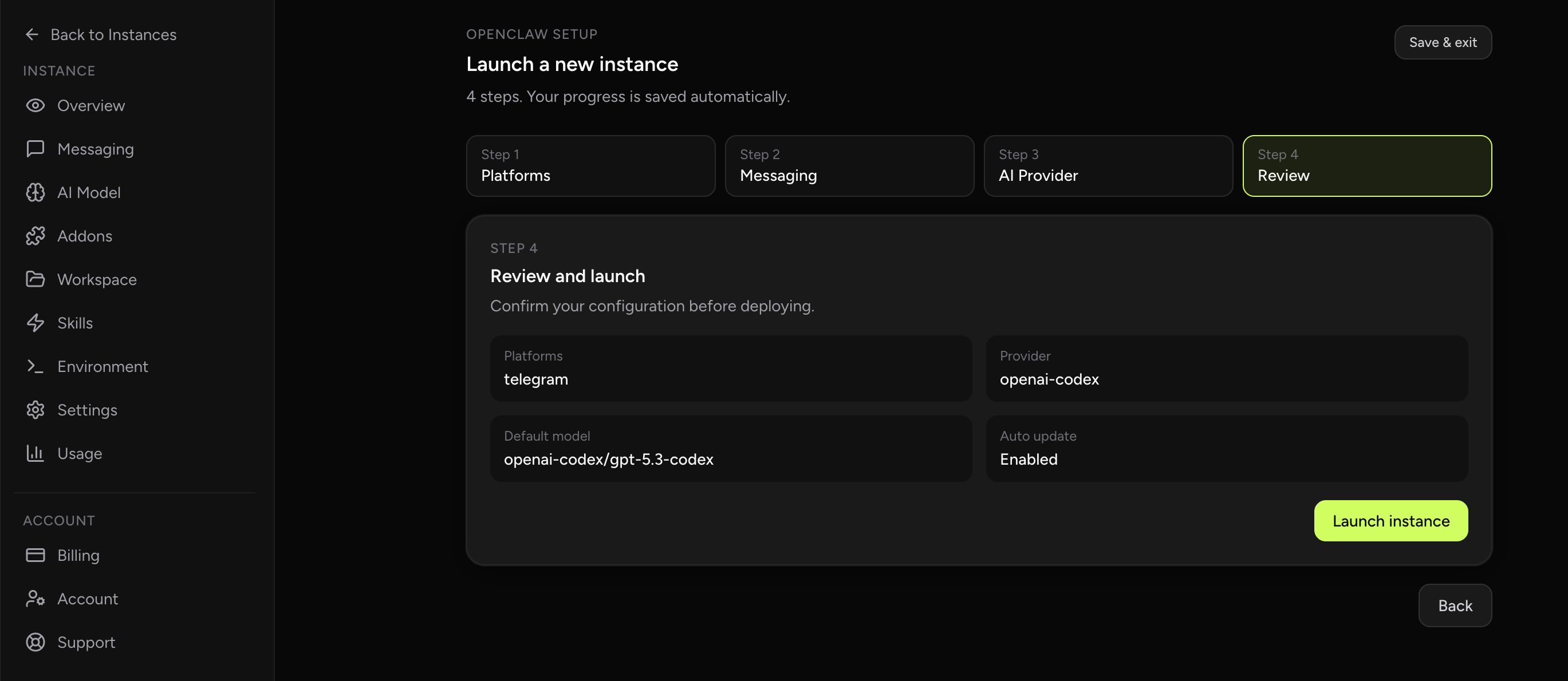
Import your existing instance, keep your context, and run updates with managed rollout safeguards.
Import your current OpenClaw instance in 1 click Use local-tab automation safely with Chrome relay
Verification checklist before declaring "resolved"
- All Tier 1 failures are gone in repeated tests, not one-time attempts.
- No sensitive internal payloads appear in user-visible chats.
- Control UI routes return expected views under normal and authenticated sessions.
- Session operations stay healthy across worker restarts.
- Rollback plan is documented and tested for the next release.
Typical mistakes that turn a 30-minute incident into a full day
- Skipping evidence collection because "we already know the cause."
- Trying to debug and redeploy from multiple laptops with different environments.
- Accepting one successful run as proof of recovery.
- Ignoring user-facing output leakage while fixing internal metrics first.
- Closing the incident without adding release guardrails.
Leadership playbook: communicate clearly during upgrade incidents
Technical recovery is only half the work. Teams lose hours when communication is vague or inconsistent. During regressions, keep updates short and structured: what is broken, who is impacted, what is being tested now, and when the next update will arrive. Avoid speculative promises like "five more minutes" unless you have a tested fix. A predictable update rhythm reduces panic, keeps support aligned, and protects customer trust.
If you run customer-facing automations, publish a temporary reliability status note. Be transparent about degraded features, and provide practical alternatives where possible. For example, if approval propagation is delayed, document a manual fallback workflow and expected response times. This gives users control instead of forcing them into uncertainty.
Implementation template: release gate checklist you can copy
The easiest way to stop repeat upgrade incidents is to convert lessons into a release gate. A useful gate is short enough to run every time, but strict enough to block risky releases. Here is a practical template:
- Pre-deploy: backup, config snapshot, and rollback target verified.
- Canary: one instance upgraded with real workflow smoke tests.
- Security: output sanitization checks pass on forced error paths.
- Transport: session event delivery verified under moderate concurrency.
- UI contract: route and schema checks pass for dashboard and control views.
- Observability: release marker created in logs/metrics for quick correlation.
- Rollback trigger: explicit threshold for automatic rollback is documented.
Keep this checklist in the same repository as deployment code, and require it in pull request review. If the checklist is optional, it will be skipped exactly when stress is highest.
Cost model: why regression prevention beats reaction
A typical "small" regression can consume two engineers for two to four hours, plus support overhead. Add context switching, delayed launches, and follow-up patching, and the total cost rises quickly. Prevention work often feels slower in the moment, but it compounds in your favor. A stable release process gives back engineering time every week, improves forecast accuracy, and keeps roadmap commitments realistic.
If your team ships frequently, reliability process is a growth lever, not bureaucracy. Faster recovery is good. Fewer incidents is better.
FAQ
What is the best first action when users report post-upgrade breakage?
Freeze additional changes, classify impact, and collect one clean reproduction. This keeps recovery fast and evidence intact.
Should small teams still use canary rollouts?
Yes. Even one canary instance catches many regressions before they affect everyone. You do not need enterprise complexity to benefit.
How do we decide when managed hosting is worth it?
If upgrade incidents repeatedly interrupt product work, managed operations usually win on total cost and speed. Use your own incident data to decide.