OpenClaw Chrome relay on WSL2: how to fix tab attach failures without random restarts
Problem statement: you are running OpenClaw in WSL2, Chrome is open on Windows, the extension looks installed, and browser tasks still fail with behavior like tab not found, attach errors, or an agent that keeps asking you to reconnect. The root cause is usually not “browser automation is flaky.” It is a trust and networking mismatch between Linux runtime, Windows browser, and the attached tab lifecycle. Once you isolate that boundary, the fix becomes straightforward.
- Recent OpenClaw release notes include dedicated browser relay guidance for WSL2 and Windows remote Chrome troubleshooting.
- The release notes also mention
browser.relayBindHostfor explicit non-loopback binding in WSL2 and reconnect handling for transient relay drops. - Community chatter in the last week continues to show onboarding confusion around attach flows, connected tabs, and remote browser visibility.
Why this failure happens so often on WSL2
On a single machine, OpenClaw and Chrome often share the same network assumptions. On WSL2, they do not. Your agent runtime is in a Linux environment with its own interfaces, while the browser and extension live in Windows. The result is a system that appears local but behaves like a cross-host setup. If the relay only binds to loopback, or if the extension talks to the wrong endpoint, or if the tab attachment briefly drops and does not recover, browser automation fails even though every individual component looks fine by itself.
This is why random restarts feel like they sometimes work. They temporarily realign state. But they do not solve the actual mismatch.
The four layers you need to validate
- Runtime reachability: can the browser relay endpoint be reached from the Windows side?
- Correct profile and extension state: is the right Chrome profile open, and is the relay extension actually attached to the target tab?
- Tab lifecycle: did the attached tab disappear, refresh, move, or reconnect in a way the runtime can still understand?
- Action path verification: can OpenClaw list tabs, focus the right tab, and continue actions after a brief disconnect?
Step-by-step diagnosis and fix
1) Confirm what kind of error you really have
“Browser automation is broken” is too broad to help. Separate these cases first:
- No connected tab: the extension was not attached on the tab you expected.
- Tab not found: the relay saw a tab earlier, then lost it or cannot resolve it anymore.
- Connection refused or attach failure: the browser endpoint is not reachable from the runtime side.
- Open succeeds, actions fail: the session exists, but UI state or reconnect handling is broken.
This classification matters because each one points to a different layer.
2) Fix reachability before anything else
WSL2 is where loopback assumptions often break. If the relay binds only where the Windows browser cannot reach it, the extension will appear alive while attach flows silently fail. Recent OpenClaw guidance explicitly calls out non-loopback relay binding for WSL2 and other cross-namespace setups. Treat that as the first checkpoint, not an advanced edge case.
If your environment needs explicit host binding, set that intentionally and document it. Do not rely on “it worked yesterday” as proof that your addressing is correct.
3) Re-attach the exact tab you want to control
With Chrome relay, an open tab is not enough. The connected tab is the one where the extension is actively attached. If you reopened Chrome, switched profiles, or duplicated the page, you may now be looking at the right page in the wrong tab context. Reattach deliberately on the real target tab and confirm you are using the same browser profile OpenClaw expects.
4) Test tab listing and focus, not only one click
A common false positive is “the relay connected once, so it is fixed.” Instead, validate the full path: list available tabs, focus the intended one, and perform a simple action. If listing works but focus fails, you likely have stale tab identity. If focus works but actions fail after a refresh, the problem is usually tab lifecycle or reconnect handling.
5) Account for transient drops
Recent fixes mention waiting briefly for a previously attached tab to reappear after short relay drops. That matters in practice because WSL2 users often interpret temporary disconnects as permanent setup failure. If your relay drops during browser restarts, sleep/wake, or quick refreshes, retest after reconnection instead of resetting the whole stack immediately.
6) Stop mixing direct browser control methods
Teams create confusion when they alternate between one browser control path today and a different one tomorrow without documenting the intended standard. Pick one primary browser path for the workflow and keep it consistent. Hybrid experimentation is fine in a sandbox, but it is a bad way to run a daily production assistant.
What causes the “tab not found” pattern specifically
This error usually means OpenClaw had a reference to a tab that no longer maps cleanly to the browser state it can see now. That can happen for several reasons:
- The browser was restarted and the new tab is visually identical but technically different.
- The extension disconnected briefly and did not restore the same tab identity.
- The tab moved across a browser session/profile boundary.
- The runtime could not reach the relay after a network path change, then came back with stale expectations.
The solution is not usually to clear everything. It is to restore a clean attached-tab relationship and retest end to end.
How to verify the fix
- Open the intended page in the intended Chrome profile.
- Attach the extension on that exact tab.
- Confirm the runtime can see the browser endpoint from the Windows side of the boundary.
- List tabs and identify the correct one.
- Focus the tab and perform one simple action.
- Refresh or briefly reconnect and repeat the action to confirm the fix survives tab lifecycle changes.
Edge cases you should plan for
- Multiple Chrome profiles: the extension is attached in one, while you are watching another.
- Fast browser restarts: runtime holds stale tab state after Chrome comes back.
- Remote desktop or sleep/wake: reconnect timing changes after the host resumes.
- Mixed browser habits: you attach the extension on one tab but ask the agent to control a different visible tab.
- Half-fixed networking: listing works intermittently because the bind path is still wrong under some conditions.
Typical mistakes that keep the issue alive
- Assuming the extension being installed means the tab is attached.
- Testing only once after a reconnect and calling it stable.
- Changing relay path, proxy assumptions, and profile setup in the same debugging session.
- Ignoring WSL2 host-binding requirements because “localhost should work.”
- Using a fragile local setup for business-critical browser automation without a fallback.
When to stop debugging local relay plumbing
If browser automation is essential to the workflow and the team keeps losing time on attach state, profile confusion, and WSL2 networking, the real issue may not be one broken tab. It may be that the current operating model is too brittle for the importance of the task. That is especially true when the browser is just one part of a larger assistant workflow that also needs stable messaging, auth, and scheduled execution.
If the main goal is reliable browser work rather than ongoing relay debugging, use /features/chrome-extension-relay/ to understand the intended path, compare hosted vs self-hosted tradeoffs at /compare/, or move faster with /openclaw-cloud-hosting/.
Fix once. Stop recurring browser relay attach failures.
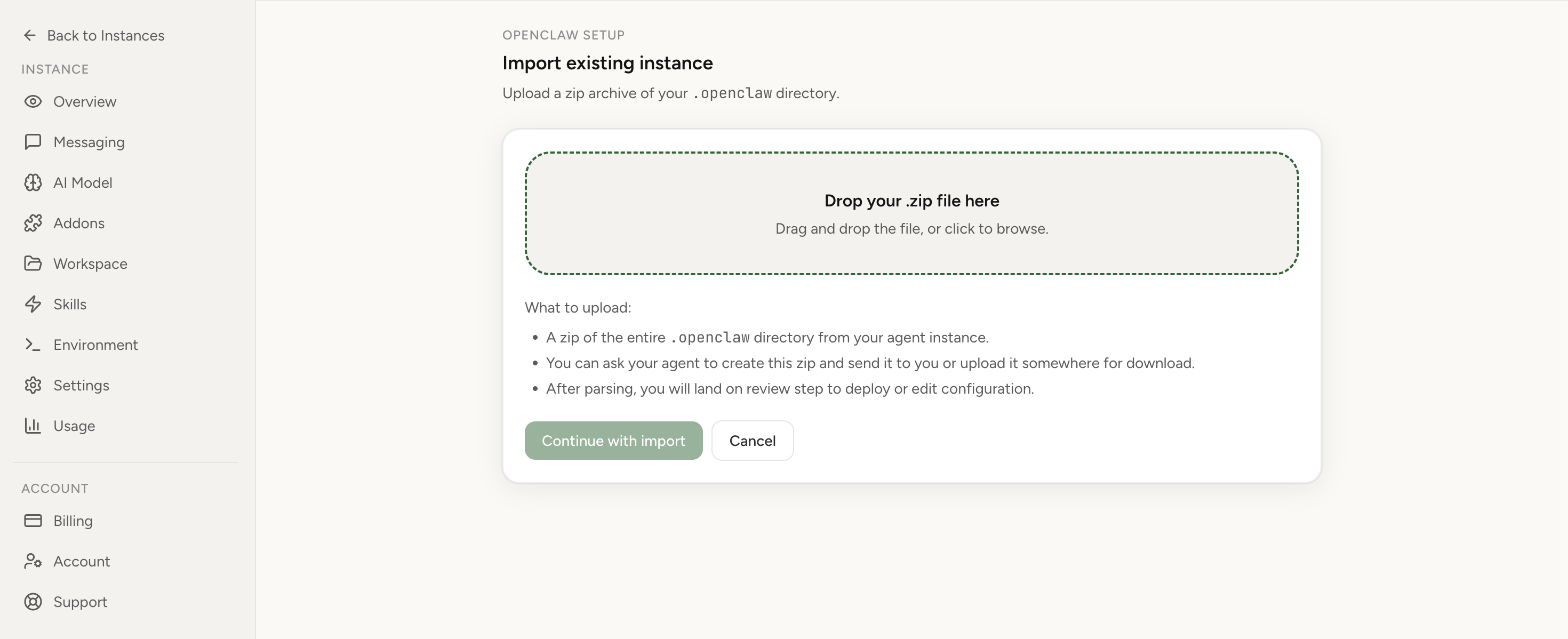
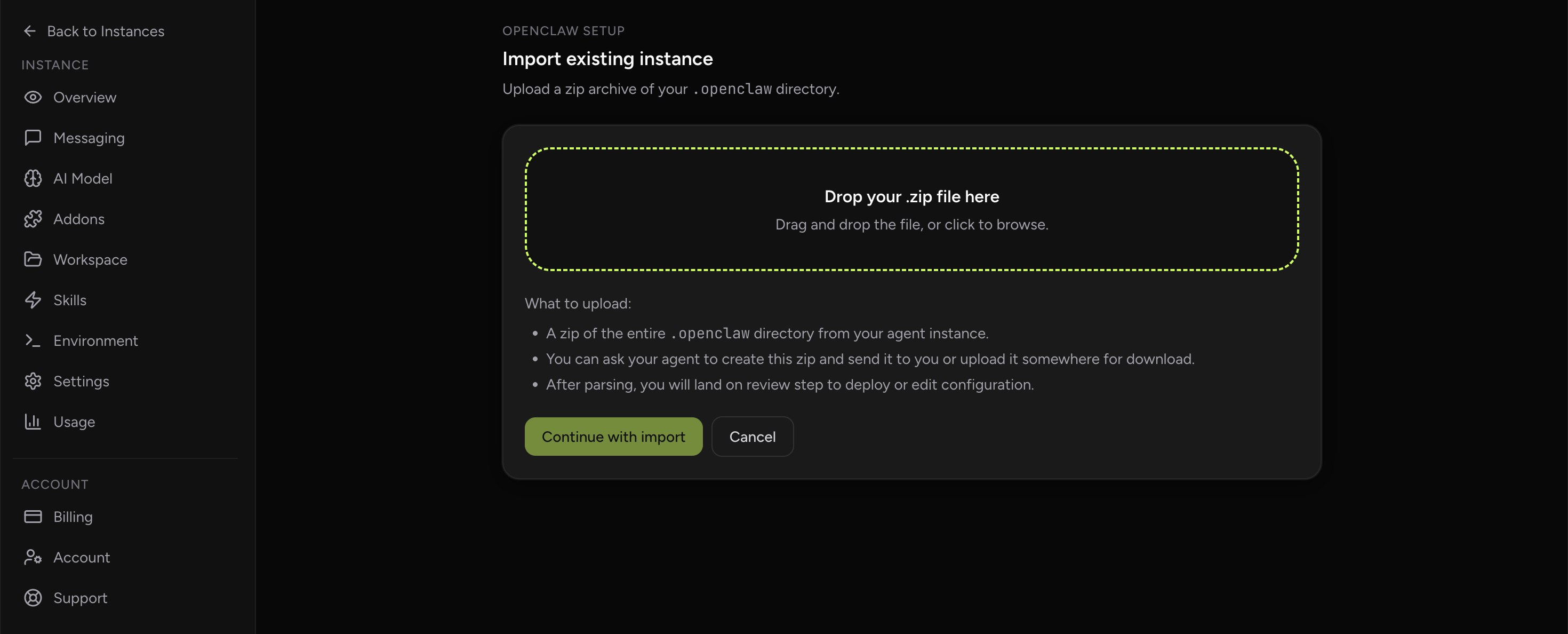
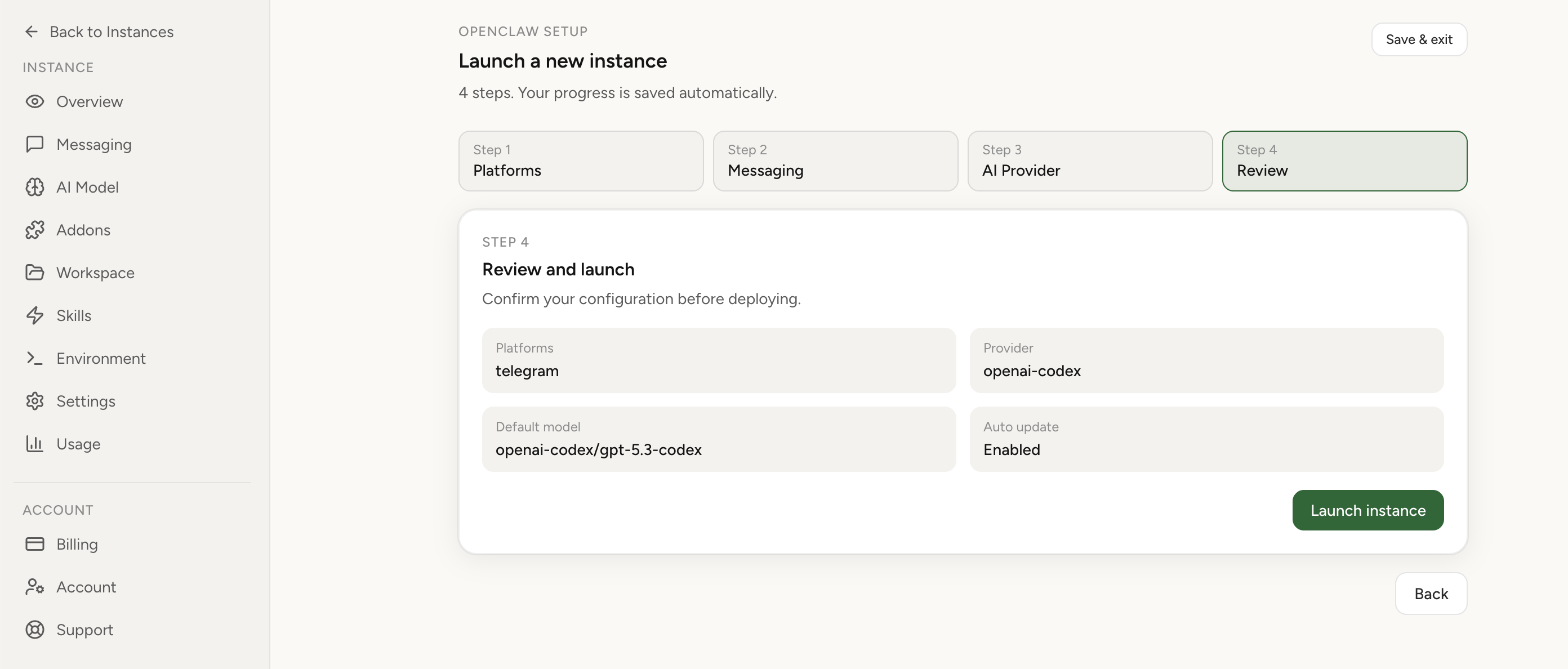
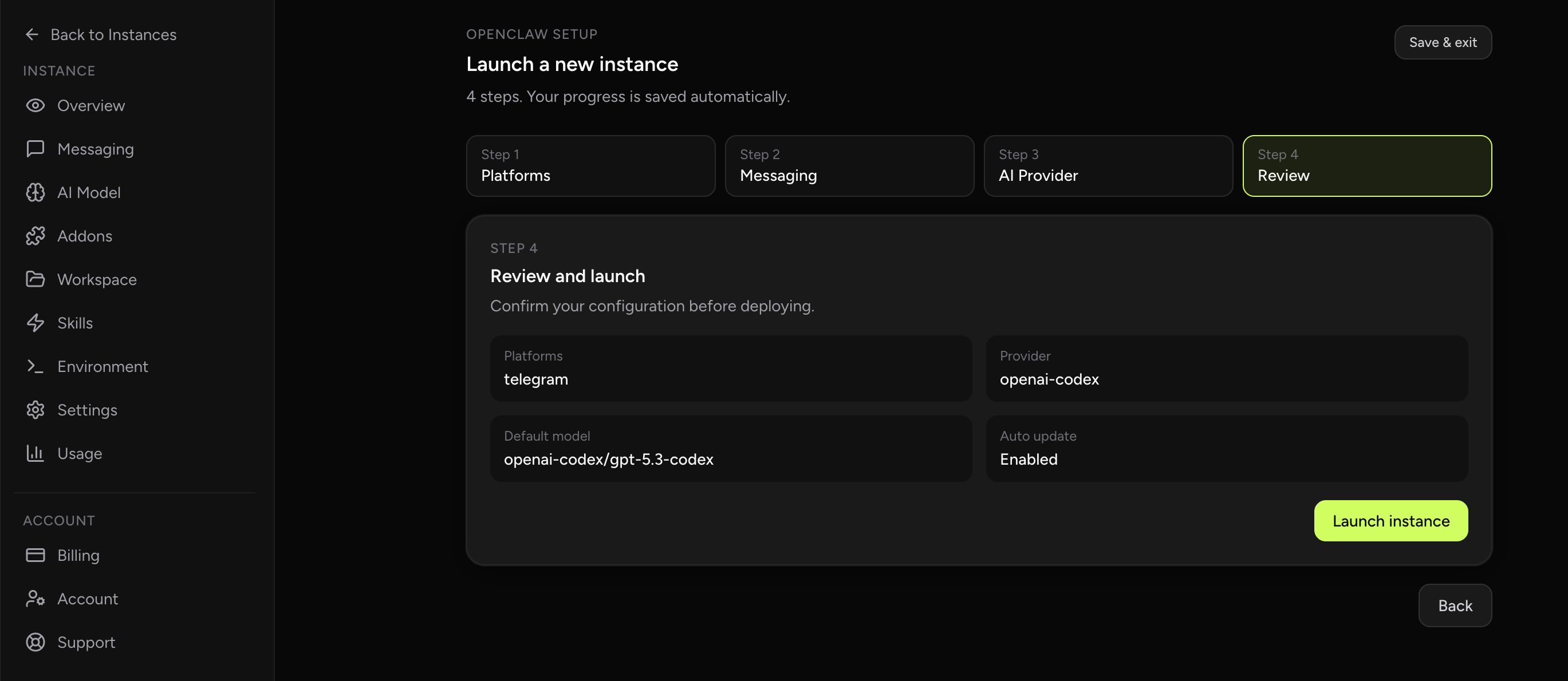
If this keeps coming back, you can move your existing setup to managed OpenClaw cloud hosting instead of rebuilding the same stack. Import your current instance, keep your context, and move onto a runtime with lower ops overhead.
- Import flow in ~1 minute
- Keep your current instance context
- Run with managed security and reliability defaults
If you would rather compare options first, review OpenClaw cloud hosting or see the best OpenClaw hosting options before deciding.
FAQ
Do I need to reinstall Chrome or the extension every time relay fails?
Usually no. Most failures come from host binding, attached-tab state, reconnect timing, or profile mismatch, not from a broken install.
Can I fix this by opening more tabs until one works?
That often makes things worse. It creates more ambiguity about which tab is the attached target. Use one deliberate target tab during diagnosis.
What is the safest way to run browser-heavy workflows long term?
Use a documented, repeatable setup with clear profile rules, verified host binding, and a consistent browser control path. If the workflow is mission-critical, reduce local fragility wherever possible.