OpenClaw context freeze fix: how to resolve compaction hangs
Problem statement: an active chat suddenly stalls, UI keeps spinning, and new turns stop processing. Fresh reports show this can happen during context compaction, especially in long-running sessions with heavy tool output. If you use OpenClaw for daily operations, this can block real work for hours.
- Issue #37499 (2026-03-06): context compaction can freeze conversations.
- Multiple same-day issue patterns mention streaming stalls and duplicate retries under high message volume.
- Community operators are actively asking for deterministic recovery playbooks instead of restart-only advice.
How this failure mode usually unfolds
The common timeline is predictable: session history grows, tool output gets verbose, compaction starts, then one expensive or malformed step blocks the normal turn pipeline. Because the user still sees partial activity in UI, teams often misclassify it as temporary model latency. That delay wastes the best troubleshooting window and can corrupt operator confidence.
Root-cause categories
- Oversized turn payloads: large tool results trigger expensive compaction work.
- Retry loops: compaction timeout retries block progress without clear fail-fast behavior.
- Session-state anomalies: partial writes or lock contention leave compaction in unstable state.
- Concurrency pressure: multiple active sessions compete for the same resources.
- Version regressions: recent changes in compaction path introduce new edge-case behavior.
12-step diagnostic runbook
1) Confirm freeze conditions precisely
- Capture the exact point where output stops.
- Record whether tool calls still launch in background.
- Note session size and recent high-volume turns.
2) Preserve logs before restart
Save gateway and session logs from the active incident. Restarting first is tempting, but it removes evidence that reveals where compaction hangs.
3) Differentiate UI lag from backend stall
If backend continues processing while UI appears frozen, treat rendering separately. If backend turn completion also stops, prioritize compaction path diagnosis.
4) Inspect last successful completed turn
Identify the final normal turn before freeze. Its payload size and tool-output structure often indicate the immediate trigger.
5) Check lock and state integrity
Session lock contention can amplify compaction stalls. Validate whether lock files clear normally and whether session writes complete atomically.
6) Evaluate compaction thresholds
If threshold settings are too aggressive for your workload, compaction may start too often and overlap with active processing. Tune cadence to your real message volume.
7) Reproduce with controlled test session
Build a controlled session that mimics production size but removes unrelated complexity. If freeze reproduces, you have a deterministic test bed.
8) Reduce payload blast radius
Cap unnecessary large outputs and summarize verbose tool responses before they enter long-term conversation state. This is the highest-impact preventive fix in many environments.
9) Stage update or rollback decision
If incident aligns with a recent update and controlled reproduction confirms regression, use a stable runtime path while awaiting upstream patch.
10) Run post-restart persistence check
A single healthy turn after restart is not closure. Run a realistic multi-turn flow with one large tool response and confirm no stall.
11) Add health signals
- Alert when turn processing time crosses your baseline.
- Track compaction duration and retry count.
- Log freeze fingerprints for faster triage next time.
12) Document validated fallback play
Keep one approved fallback path: safe restart, session handoff, or controlled rollback. This removes panic from on-call response.
Actionable fixes you can apply today
- Trim oversized outputs: summarize tool results before storing full text.
- Stagger active sessions: avoid synchronized heavy workloads on one runtime.
- Set compaction guardrails: fail fast on repeated retries, then recover cleanly.
- Use canary rollouts: test compaction behavior before full-team deployment.
- Protect user continuity: maintain handoff workflow if one session freezes.
Edge cases that create hidden freeze risk
- Huge pasted logs inside one message.
- Rapid multi-agent fan-out returning large parallel outputs.
- Frequent markdown table dumps from automation scripts.
- Background tasks appending long notifications every few seconds.
- Mixed model behavior where one provider returns unusually verbose content.
Verification checklist
- Simulated long session runs without freeze for at least 20 turns.
- Compaction duration remains within expected threshold.
- No repeated timeout/retry loop in logs.
- One restart test still preserves stable behavior.
- On-call guide updated with real incident evidence.
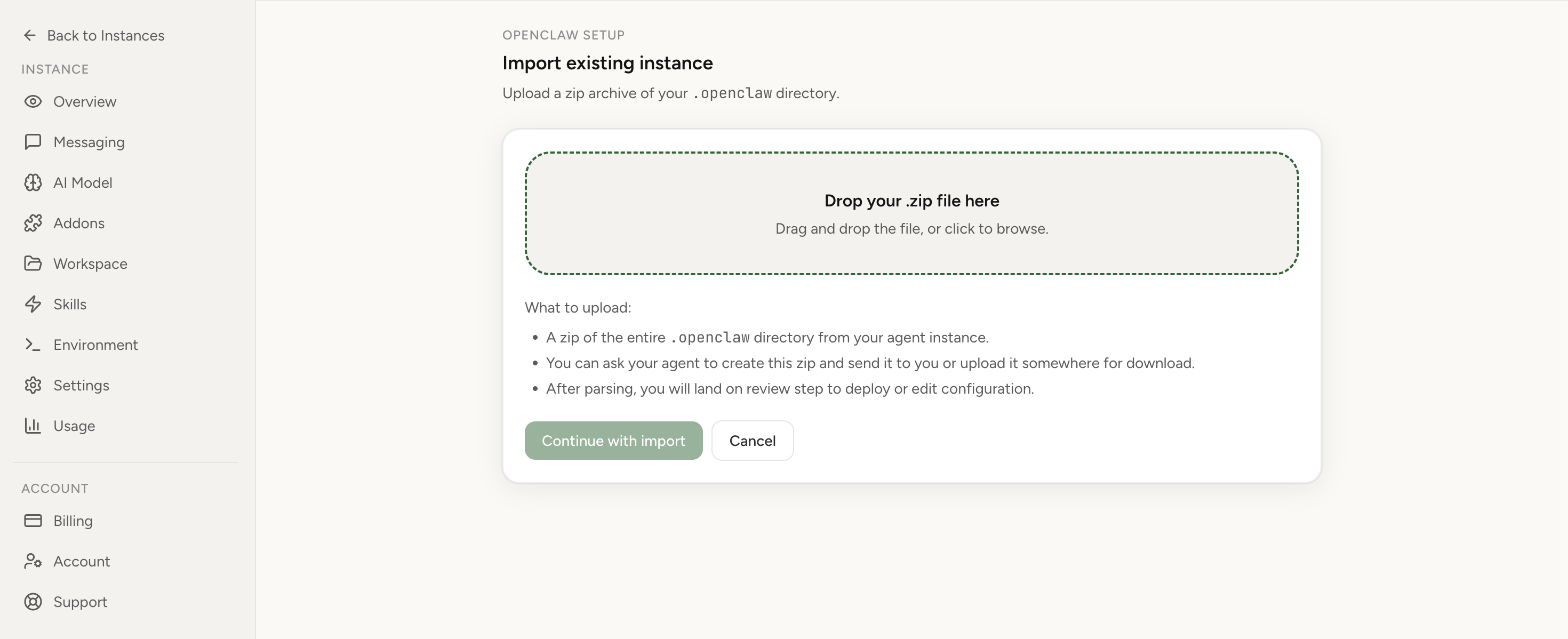
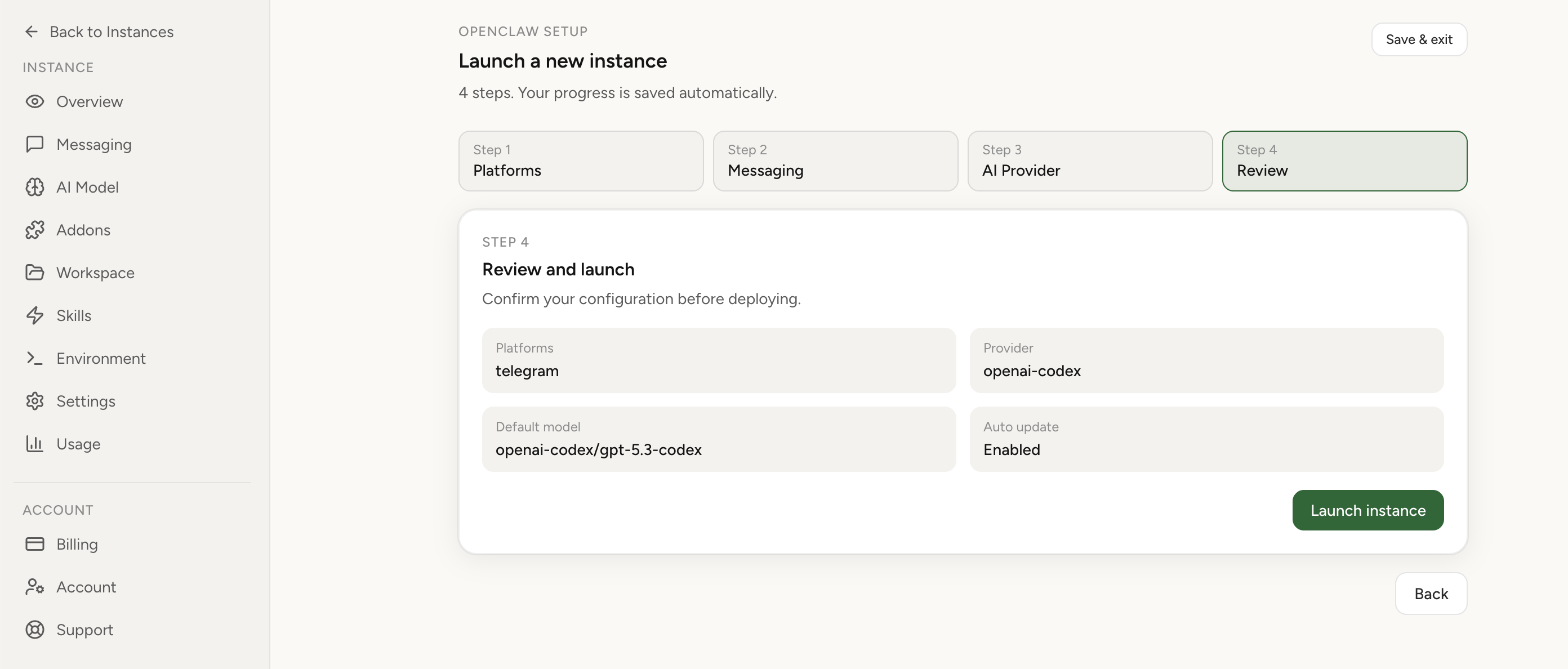
If compaction freezes keep disrupting delivery, move your current instance to a managed setup where runtime tuning, updates, and recovery defaults are handled for you.
Import your current OpenClaw instance in 1 click See managed hosting options
Fix once. Stop recurring context freeze incidents.
If this keeps coming back, you can move your existing setup to managed OpenClaw cloud hosting instead of rebuilding the same stack. Import your current instance, keep your context, and move onto a runtime with lower ops overhead.
- Import flow in ~1 minute
- Keep your current instance context
- Run with managed security and reliability defaults
If you would rather compare options first, review OpenClaw cloud hosting or see the best OpenClaw hosting options before deciding.
Designing a freeze-resistant workflow
Long-term stability comes from shaping conversation data, not only patching runtime. Encourage concise structured outputs from tools, split heavy operations into separate sessions, and avoid dumping raw logs into a live chat whenever possible. Build a small habit: summarize first, store detail second.
Operational policy template
- Define maximum tool-output size per turn.
- Require session segmentation for high-volume automations.
- Schedule heavy tasks outside peak collaboration windows.
- Track freeze incidents and tie them to concrete payload patterns.
- Review compaction metrics weekly, not only during outages.
For a full infrastructure baseline, use /openclaw-setup/. For reliability and ownership trade-offs, compare paths at /compare/. If browser tasks are part of your workflow, keep your tab automation stable with Chrome Extension relay best practices.
Advanced diagnostics for persistent freezes
If freezes continue after the base runbook, move to deeper diagnostics. Compare two identical sessions: one with full tool output, one with summarized output. If only the verbose path freezes, your bottleneck is payload shape, not generic runtime instability. Next, replay the same conversation against a staging runtime with identical config but isolated load. A freeze in both environments points to data pattern or software behavior; a freeze only in production points to contention and infrastructure pressure.
Useful evidence bundle for maintainers
- Exact freeze timestamp and last completed turn ID.
- Compaction start/end logs and retry metadata.
- Session size growth trend before failure.
- One sanitized payload sample that reproduces the issue.
- Runtime version and any local policy overrides.
High-quality evidence gets faster fixes upstream and helps your own team stop guessing. Low-detail bug reports often lead to slow back-and-forth and repeated downtime. Treat evidence capture as part of incident closure, not optional paperwork.
Capacity planning angle: avoid compaction debt
Many teams only think about compaction when sessions already freeze. A better approach is to budget context growth upfront. Estimate average turn size, expected tool-output volume, and concurrency peaks. Then set practical limits for each workload class. For example, support workflows may tolerate shorter context windows with faster response, while long-form research workflows need larger windows plus aggressive summarization checkpoints. This workload-based policy keeps user experience stable without sacrificing important context.
FAQ
Should I disable compaction entirely?
Usually no. Disabling compaction can create other limits and instability. It is better to tune thresholds and reduce oversized payload patterns.
Can one bad message freeze the whole session?
Yes, in edge cases. A very large or malformed payload can trigger expensive processing and block turn completion.
Is this only a UI problem?
Not always. UI stalls happen, but many incidents involve backend turn-processing delays. Verify both layers before deciding on a fix.
Sources
- OpenClaw issue #37499 (created 2026-03-06)
- Related streaming/duplicate behavior signals in issue #37432 (created 2026-03-06)
- OpenClaw documentation (session and runtime references)