OpenClaw Windows install broken after update? Check the host package first
Problem statement: OpenClaw was working, you updated, and now Discord, Telegram, or other extensions crash with errors like
Cannot find package 'openclaw'. On Windows this often feels like the entire install broke overnight. In practice, the failure is usually narrower:
the bundled plugin runtime dependency tree was rebuilt without the host openclaw package it still needs.
-
GitHub issue #71484 (opened 2026-04-25)
shows a real bundled-runtime-deps rebuild where the versioned dependency tree contained hundreds of packages but not the host
openclawpackage itself. -
That same report describes Discord and other extensions entering repeated startup failure because imports from
openclaw/*could not resolve. - Fresh Reddit discussion this week shows users asking whether the Windows installation is broken after updates because their setup suddenly reports missing modules instead of a clean startup.
- Our broader Windows guidance already points many teams toward WSL2 for steadier daemon behavior. This incident reinforces why mixed Windows and Linux paths must be debugged as a runtime problem, not only as a desktop installer problem.
Why this feels like a Windows install failure
Windows users often see OpenClaw through the lens of the machine they are sitting in front of. They click update, restart a service, and suddenly bots stop responding. From that perspective, “the Windows install is broken” is a rational conclusion.
But many active OpenClaw Windows setups are really mixed environments. The editor and browser live on Windows, while the gateway runs in WSL2 or another Linux layer. When the plugin runtime dependency tree breaks inside that Linux environment, the symptom still lands on the Windows side: channels fail, tools disappear, and the assistant looks dead. That is why the fastest recovery path starts with dependency resolution checks, not with token resets or generic reinstall advice.
What the broken-after-update pattern looks like
This issue tends to show up after a routine update, restart, or dependency rebuild. The gateway may even reach a “ready” state for a moment, which makes the next failure confusing. Then one or more extensions crash because they import a subpath from the host package that is missing from the versioned runtime dependency directory.
- Extensions or channels fail immediately after startup.
- Logs reference
Cannot find package 'openclaw'or similar module resolution failures. doctor --fixmay hang or produce no useful recovery output.- Provider settings and bot tokens may still be correct, but nothing works because the extension never finishes booting.
That combination is important. Healthy credentials do not help when the runtime cannot load the code path that needs them.
The real root cause in plain English
OpenClaw can build a versioned dependency tree for bundled plugin runtime dependencies. That tree includes many transitive packages required by extensions.
The regression described in issue #71484 is that the tree can be populated without the host openclaw package itself.
Extensions still expect that package to exist because they import OpenClaw-owned modules or subpaths from it.
So the crash is not “Discord is broken” or “Telegram is broken.” Those extensions are only the first visible victims. The deeper failure is that the extension runtime was assembled without a core dependency it still references.
That is also why broad credential debugging wastes time. If imports fail before the extension reaches authentication, the error has nothing to do with your bot token or provider chain.
How to tell this apart from token or provider problems
| Symptom | More likely cause |
|---|---|
Cannot find package 'openclaw' | Broken bundled runtime dependency tree |
| 401, 403, invalid token, unauthorized | Credential or token issue |
| Model request 400 or provider-specific auth error | Provider routing or API configuration |
| Channel starts, then sends bad responses | Later-stage runtime or formatting issue |
If you see module-resolution failure before auth, treat dependency repair as the main branch of the investigation.
Step-by-step recovery plan
1) Capture the failing log line before changing anything
Save the exact startup error and the path it mentions. In the reported regression, the key clue is not just the error text; it is the fact that the failure originates inside the versioned plugin runtime dependency directory. That tells you the broken dependency rebuild is on the critical path.
2) Check whether the host package is present in the versioned runtime deps directory
Inspect the relevant plugin-runtime-deps directory and verify whether node_modules/openclaw exists inside the versioned runtime tree.
If the extension tree contains many packages but not openclaw, you have likely found the real issue.
# Example inspection pattern
ls ~/.openclaw/plugin-runtime-deps/
ls ~/.openclaw/plugin-runtime-deps/openclaw-*/node_modules | head
ls ~/.openclaw/plugin-runtime-deps/openclaw-*/node_modules/openclaw
3) Distinguish a broken dependency tree from a bad global install
The host package can still exist globally while the extension runtime tree is missing it. That is why a quick “but OpenClaw is installed” check is not enough. You must verify the exact place where the extension loader resolves dependencies from.
4) Rebuild the broken tree deliberately
Once you confirm the versioned dependency tree is missing the host package, clear the broken tree and rebuild it in a controlled way.
Do this once, then re-check the contents before you assume the problem is solved. If the rebuilt tree is still missing openclaw, a blind reinstall loop will only waste more time.
# Example high-level recovery flow
systemctl --user stop openclaw-gateway
rm -rf ~/.openclaw/plugin-runtime-deps/openclaw-*/
# then trigger a clean dependency rebuild with your normal startup path
systemctl --user start openclaw-gateway
5) If needed, test a temporary host-package link or matching install
The issue report itself outlines practical ways to repair resolution: install the matching host package into the versioned runtime tree, or link the existing host install when versions match. The key is consistency. Do not mix random versions just to make the error disappear. A fast but mismatched workaround can create subtler failures later.
6) Start with one extension, not all of them
If Discord or Telegram was the first visible failure, use that extension as your first validation target. Bring up one previously failing path, confirm it starts cleanly, and only then widen the test scope to the rest of the extensions.
7) Verify the gateway after startup, not just during startup
Some dependency problems appear to recover because the process starts, but the extension crashes again a few seconds later. Watch the logs long enough to prove that the extension remains loaded and reaches its normal ready state.
Verification checklist
- The versioned plugin runtime dependency tree now contains
node_modules/openclaw. - The previously failing extension starts without
ERR_MODULE_NOT_FOUNDorCannot find package 'openclaw'. - The gateway remains stable for more than one startup cycle.
- Your channel or extension completes one real action successfully.
doctor --fixno longer hangs when you re-run post-repair diagnostics.
If steps one and two fail, you are still in dependency-repair territory. Do not move on to provider debugging yet.
Why WSL2 makes this harder to see
WSL2 is still the practical choice for many Windows OpenClaw users because long-running gateway behavior is generally steadier there than on purely native Windows setups. But WSL2 also creates a visibility problem. The user lives in Windows. The failing dependency tree lives in Linux. The symptom reaches Discord or Telegram. That split makes it easy to chase the wrong layer.
The safest mental model is this: if an update broke your OpenClaw channels and the logs point into the Linux runtime directory, debug the Linux runtime first, even if your day-to-day experience feels like a Windows desktop problem.
Common mistakes
- Resetting tokens first: credentials are not the main suspect when module resolution fails early.
- Full reinstall without proof: a fresh install can recreate the same broken dependency tree.
- Mixing package versions: forcing a different host version may trade one failure for another.
- Testing too many extensions at once: fix one clear failing path first.
- Ignoring WSL2 path boundaries: the visible symptom can live on Windows while the real problem lives in Linux.
Fix once. Stop recurring Windows update breakages.
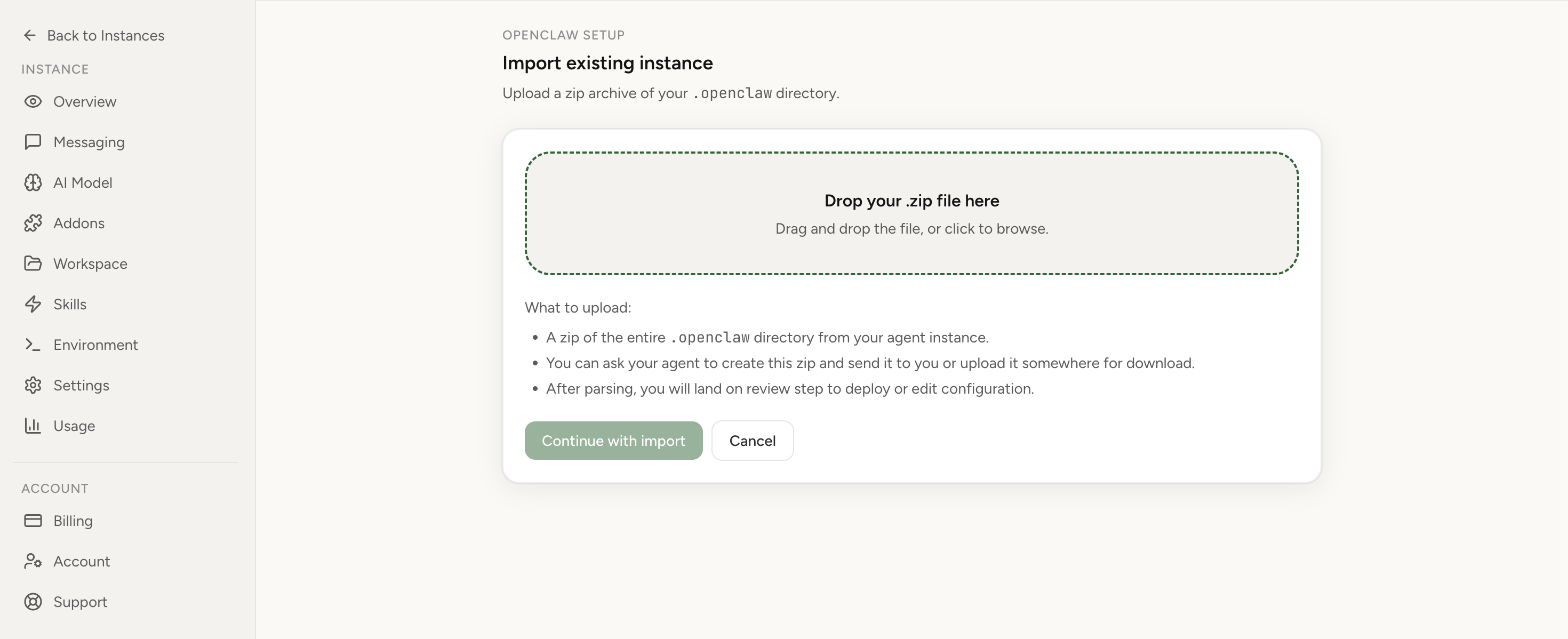
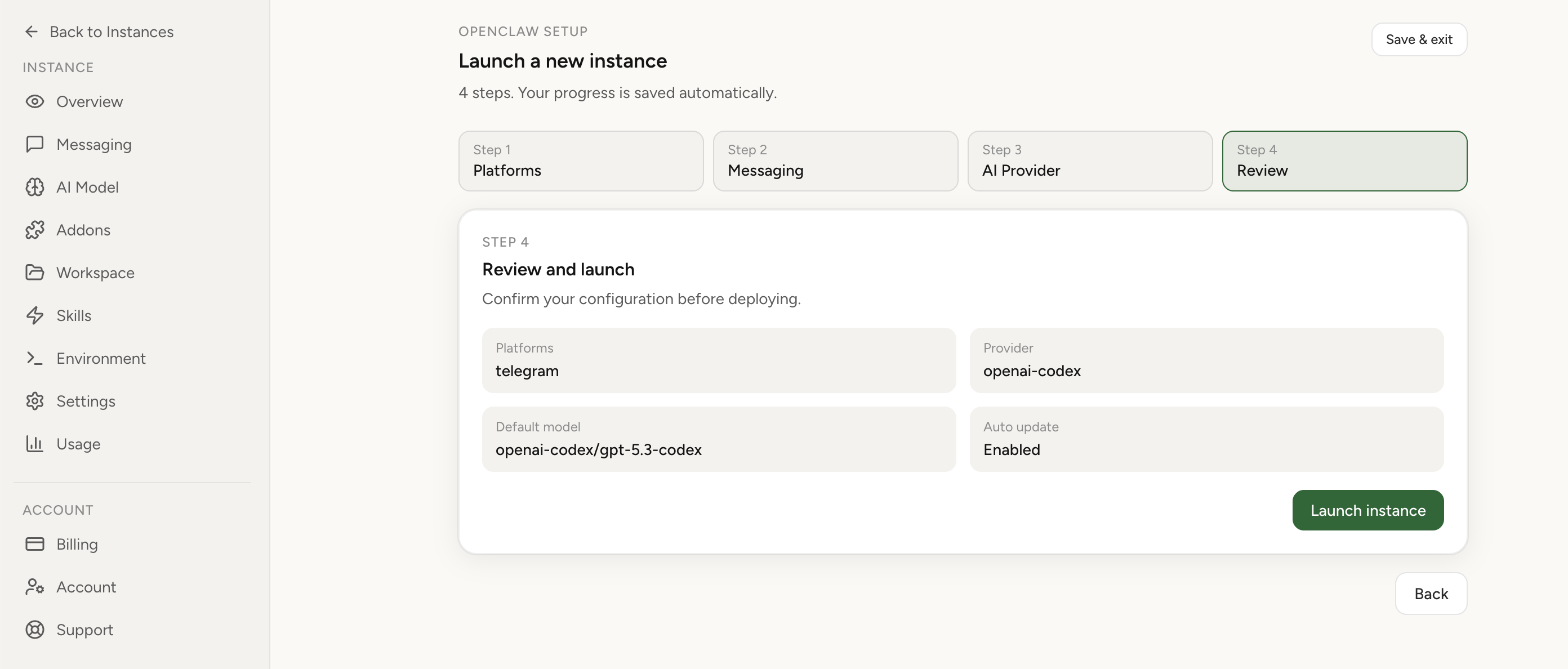
If this keeps coming back, you can move your existing setup to managed OpenClaw cloud hosting instead of rebuilding the same stack. Import your current instance, keep your context, and move onto a runtime with lower ops overhead.
- Import flow in ~1 minute
- Keep your current instance context
- Run with managed security and reliability defaults
If you would rather compare options first, review OpenClaw cloud hosting or see the best OpenClaw hosting options before deciding.
When to stop investing in local recovery
If your Windows or WSL2 OpenClaw setup is business-critical and every update now feels like a dependency-rebuild gamble, the real cost is no longer the package bug by itself. The real cost is the repeated attention required to classify startup failures, repair runtime trees, and prove the same channels work again.
That is the point where you should compare your current path against a cleaner operating model. Review the main OpenClaw setup guide, compare deployment options, and look at OpenClaw cloud hosting if you want a setup where dependency rebuilds and upgrade safety are less manual.
FAQ
Can this break only Discord while everything else looks fine?
Yes. One extension may be the first place where the missing host package is referenced. That does not mean the rest of the runtime tree is healthy; it only means Discord happened to trip the missing import first.
Does this mean native Windows is always the wrong choice?
Not always. But for long-running gateway workloads, mixed-runtime complexity is real. WSL2 often gives better runtime stability, while hosted options reduce the day-two maintenance burden further.
Why would doctor hang instead of telling me the package is missing?
A broken extension dependency path can block the very checks that should explain the issue. That is why manual inspection of the runtime dependency tree is valuable when automated repair gives no useful output.
What is the shortest path to confidence after the fix?
Prove that the host package exists in the runtime tree, then run one real extension workflow end to end. You want both a structural check and a user-visible success check.
Sources
- OpenClaw issue #71484 — bundled runtime deps omit the host package and extensions fail
- Reddit: Is the OpenClaw Windows installation broken?
- OpenClaw on Windows: WSL2 vs native vs Docker